Viktor Wynd’s Guided Tour of His Museum with Devil’s Botany Absinthe

Wednesday 3rd January 2024 6pm -7:30pm
Tuesday 27th February 2024 6pm -7:30pm
Tuesday 19th March 2024 6pm -7:30pm

Tuesday 30th April 2024 6pm -7:30pm
Tuesday 21st May 2024 6pm -7:30pm
Tuesday 18th June 2024 6pm -7:30pm

Tuesday 24th Sept 2024 6pm -7:30pm
Tuesday 22nd Oct  2024 6pm -7:30pm
Tuesday 26th Nov  2024 6pm -7:30pm

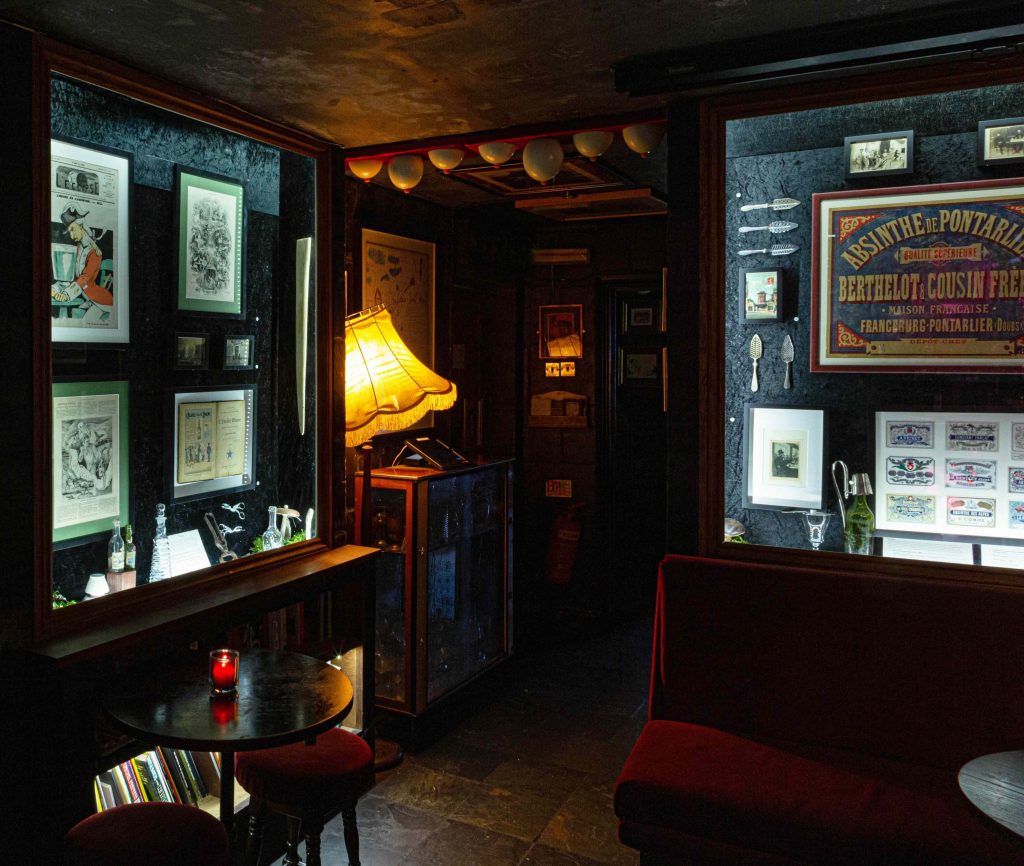
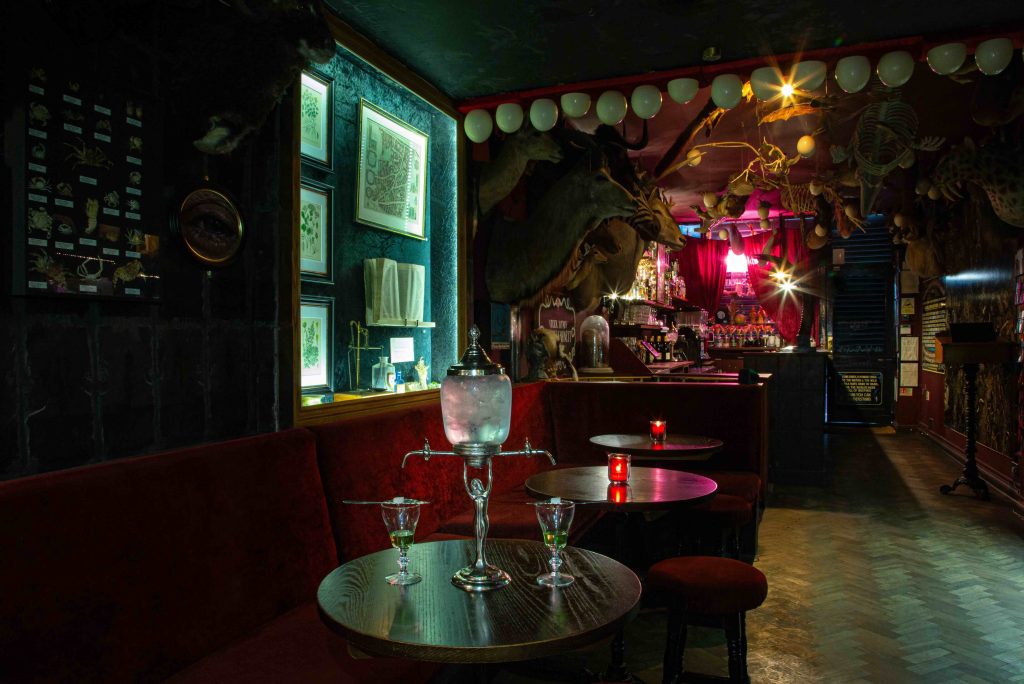
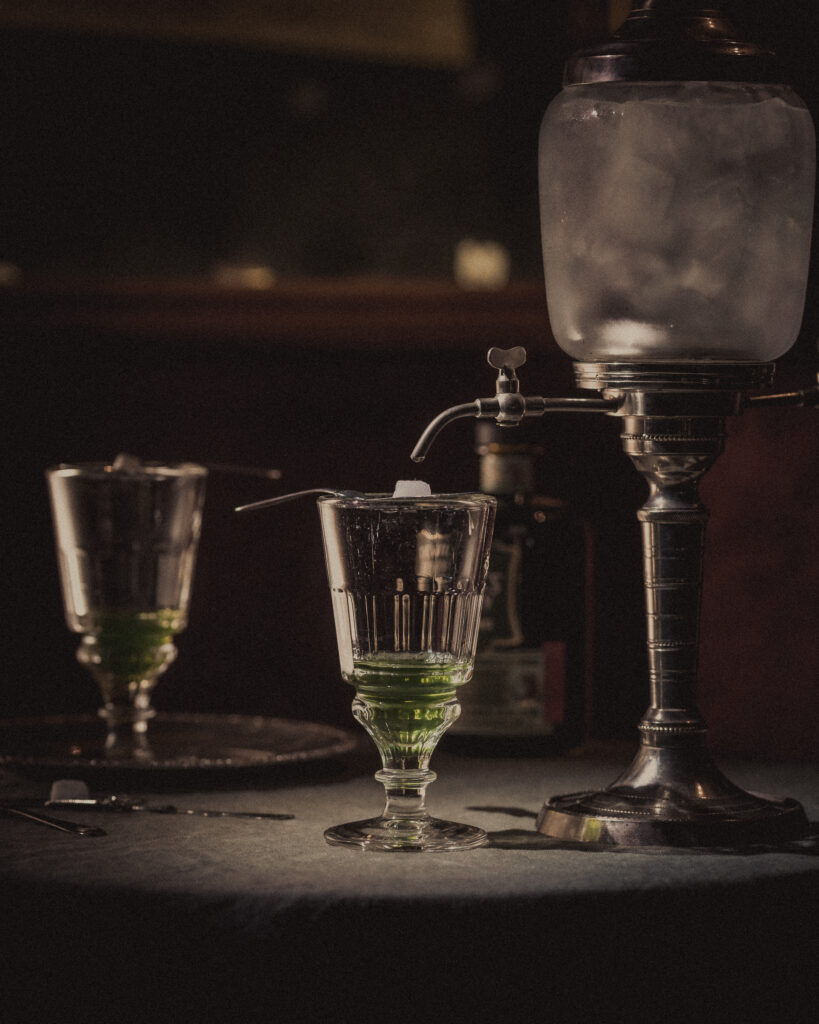
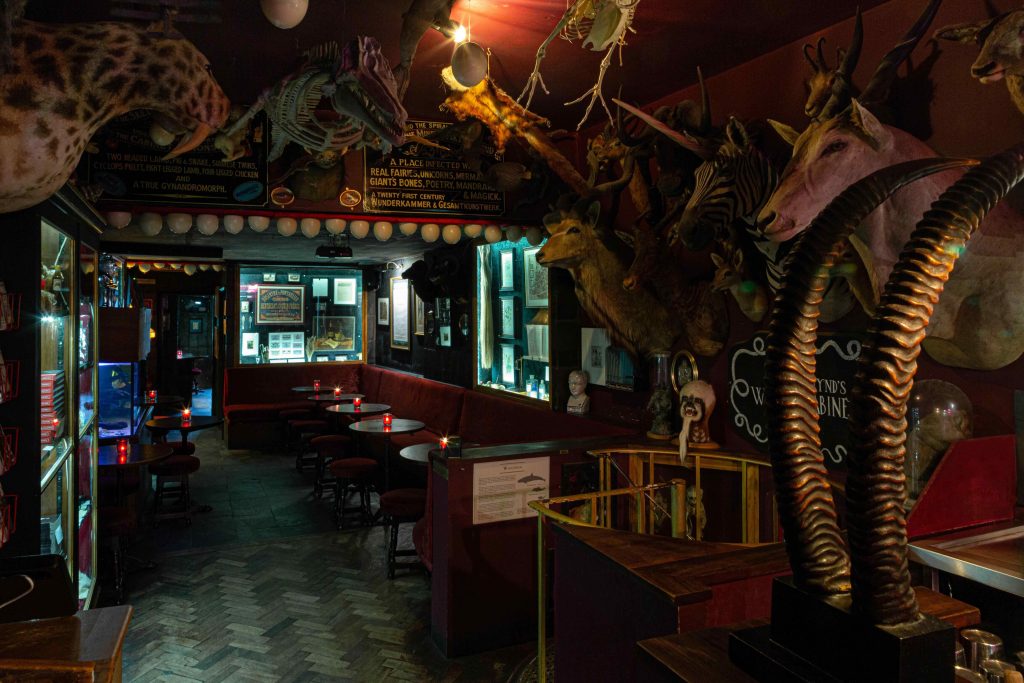
In person at the museum NOT BY ZOOM!  Join the reclusive Viktor Wynd on a journey, (with a complimentary glass of Devil’s Botany Absinthe) into the bowels of the earth and his basement museum.  See things that no one else sees, or notices, hear how he collected dodo bones and shrunken heads, extinct bird feathers, old master etchings and more.  Mr. Wynd has been described as ‘a sick orchid’ by John Waters, ‘ a true exquisite’ by Derren Brown’ & as ‘one of the great latter-day collectors’ by The Times Literary Supplement and guarantees that no two tours will ever be the same as  he attempts to explain the origin of the idea and tell you what it is all about, he will ramble from subject to subject, object to object and vaingloriously explain all the obscure objects of his desire.

Guided Tours with Vadim Kosmos – Emeritus Director of the Museum

In person at the museum NOT BY ZOOM!  

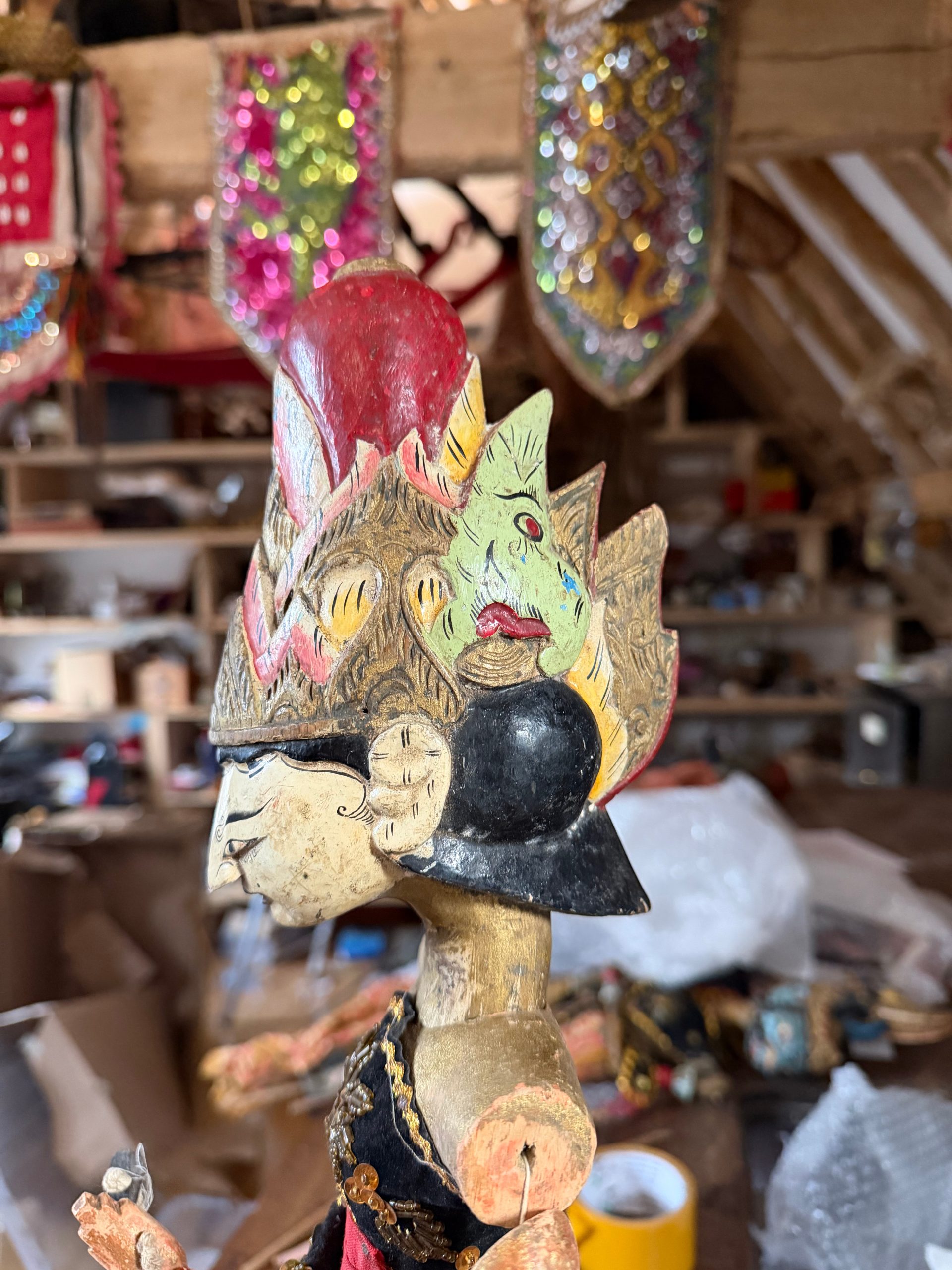
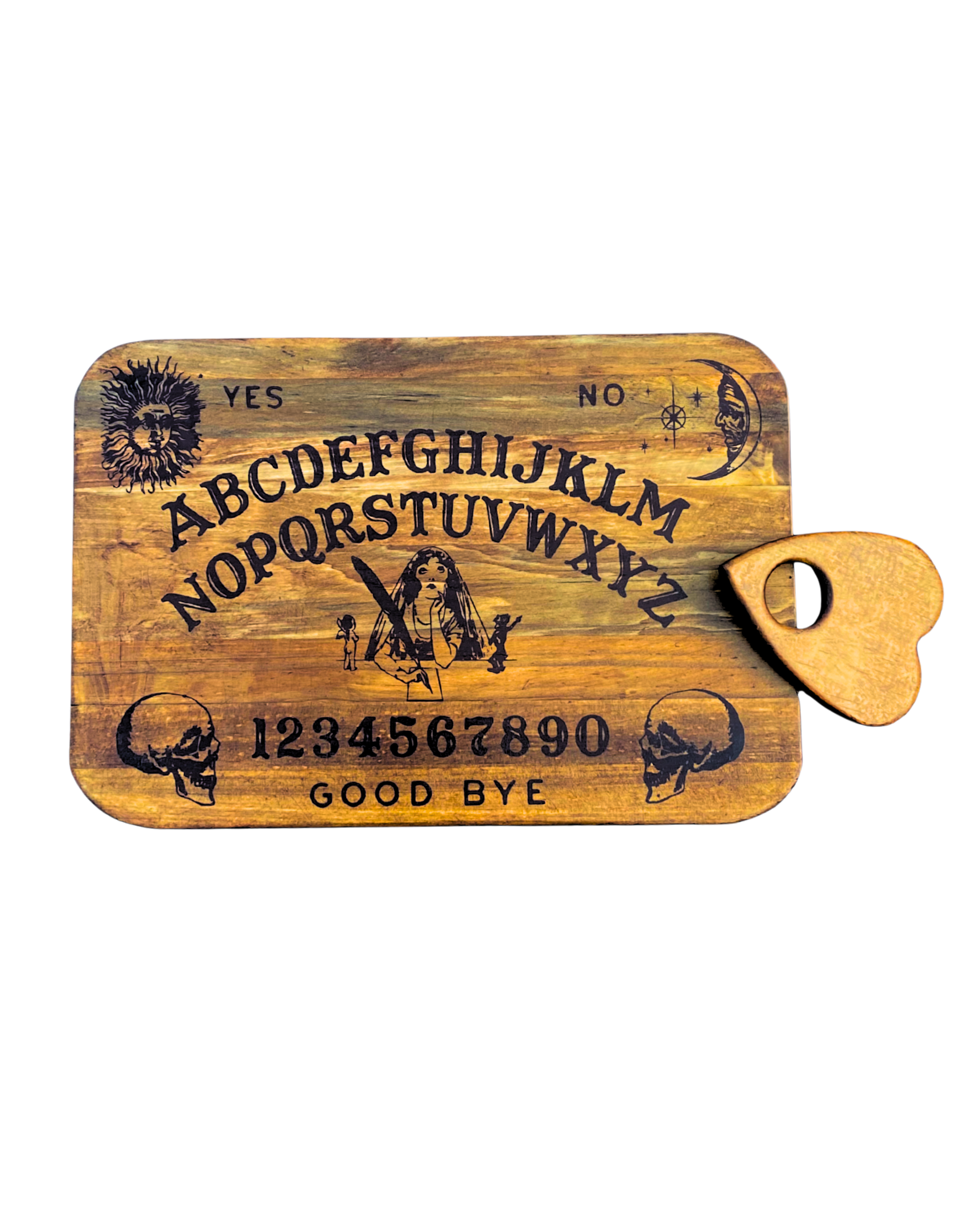
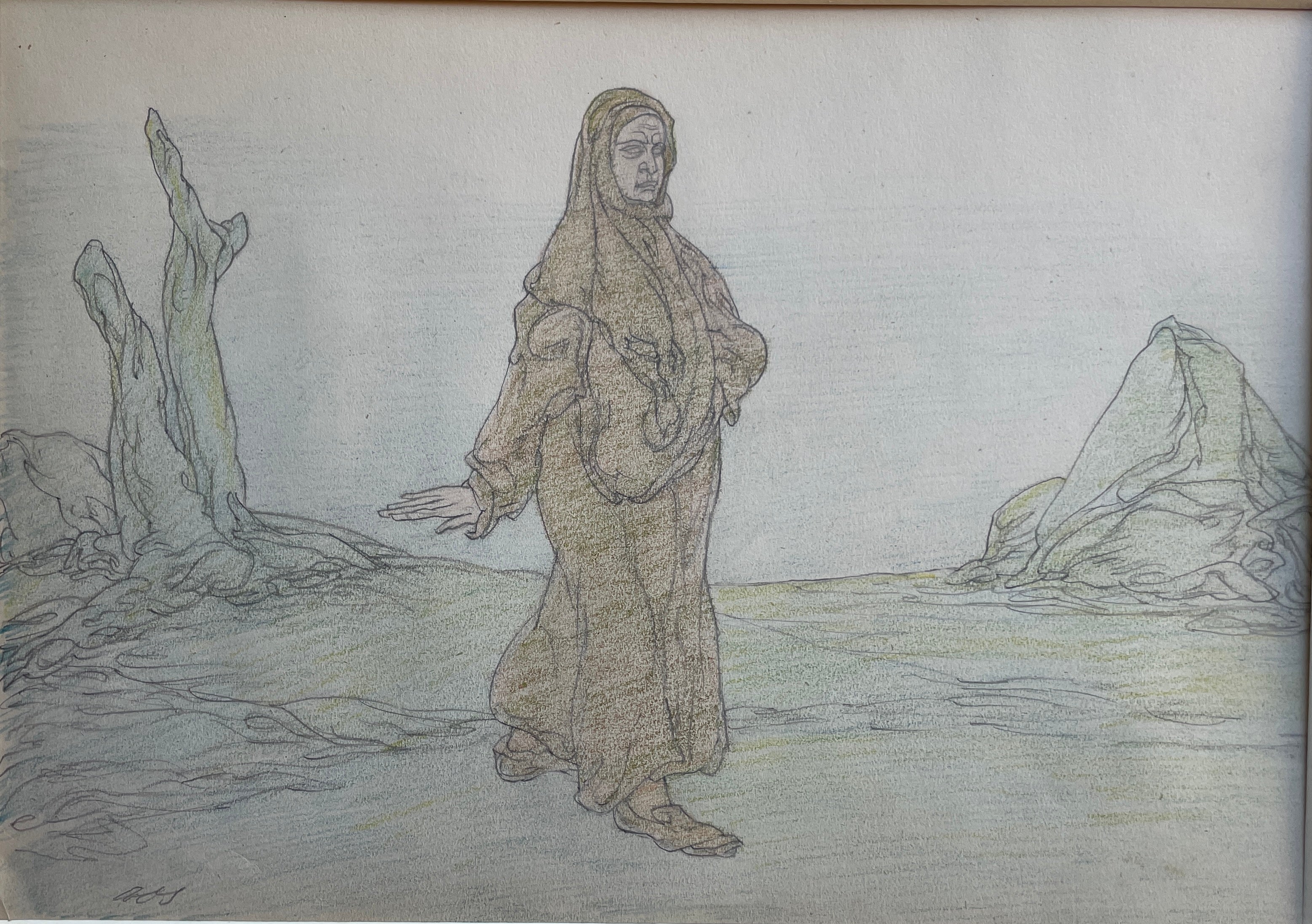
Guided tours of London’s Famous – nay InFamous – Viktor Wynd Museum of Curiosities, Fine Art & UnNatural History, first drink your Devil’s Botany  Absinthe (included in ticket price) – then see Dodo’s Bones, Erotica from Around the World, Real Fairies, Mermaids, Creatures of The Deep. Occult Masterpieces by Austin Osman Spare, Surrealist Minorpieces by Leonora Carrington, Pailthorpe & Mednikoff, Old Master Etchings, Magick, The Gnostic Temple of Agape, Dead Dandies, Gian’t’s Bones, The Naughy Nun, Unicorns, Voodoo Fetishes from Benin, Masks from New Guinea and The Congo, Entomological Displays, The Cabinet of Monsters with Two Headed Lam, Piglet and Kitten, 4 legged Chicken, Eight Legged Lamb, Two Headed Snake, Skeletons, Taxiermy, Dead People, Spirit Drawings, Old Dolls, Human Hair Art, a Magic Teacup, Magick Soap, Skulls Taxidermy and more – all underground in a tiny, claustrophobic basement that looks like the inside of Viktor Wynd’s Mind

Tours with Vadim Kosmos – Emeritus Director of the Museum on the dates below, tickets £10 including a glass of Absinthe

    • Sep: Sun 24th –  12.00
    • Oct: Wed 18th – 18.00
    • Nov: Sun 26th – 12.00
    • Dec: Wed 120th – 18.00

2024

    • Jan: Sun 28th – 12.00
    • Feb: Wed 21st – 18.00
    • Mar: Sun 31st – 12.00
    • Apr: Wed 17th – 18.00
    • May: Sun 26th – 12.00
    • Jun: Wed 19th – 18.00
    • Jul: Sun 28th – 12.00

Guided Tours with Vadim Kosmos – Emeritus Director of the Museum

In person at the museum NOT BY ZOOM!  

Guided tours of London’s Famous – nay InFamous – Viktor Wynd Museum of Curiosities, Fine Art & UnNatural History, first drink your Devil’s Botany  Absinthe (included in ticket price) – then see Dodo’s Bones, Erotica from Around the World, Real Fairies, Mermaids, Creatures of The Deep. Occult Masterpieces by Austin Osman Spare, Surrealist Minorpieces by Leonora Carrington, Pailthorpe & Mednikoff, Old Master Etchings, Magick, The Gnostic Temple of Agape, Dead Dandies, Gian’t’s Bones, The Naughy Nun, Unicorns, Voodoo Fetishes from Benin, Masks from New Guinea and The Congo, Entomological Displays, The Cabinet of Monsters with Two Headed Lam, Piglet and Kitten, 4 legged Chicken, Eight Legged Lamb, Two Headed Snake, Skeletons, Taxiermy, Dead People, Spirit Drawings, Old Dolls, Human Hair Art, a Magic Teacup, Magick Soap, Skulls Taxidermy and more – all underground in a tiny, claustrophobic basement that looks like the inside of Viktor Wynd’s Mind

Tours with Vadim Kosmos – Emeritus Director of the Museum on the dates below, tickets £10 including a glass of Absinthe

    • Sep: Sun 24th –  12.00
    • Oct: Wed 18th – 18.00
    • Nov: Sun 26th – 12.00
    • Dec: Wed 120th – 18.00

2024

    • Jan: Sun 28th – 12.00
    • Feb: Wed 21st – 18.00
    • Mar: Sun 31st – 12.00
    • Apr: Wed 17th – 18.00
    • May: Sun 26th – 12.00
    • Jun: Wed 19th – 18.00
    • Jul: Sun 28th – 12.00

Guided Tours with Vadim Kosmos – Emeritus Director of the Museum

In person at the museum NOT BY ZOOM!  

Guided tours of London’s Famous – nay InFamous – Viktor Wynd Museum of Curiosities, Fine Art & UnNatural History, first drink your Devil’s Botany  Absinthe (included in ticket price) – then see Dodo’s Bones, Erotica from Around the World, Real Fairies, Mermaids, Creatures of The Deep. Occult Masterpieces by Austin Osman Spare, Surrealist Minorpieces by Leonora Carrington, Pailthorpe & Mednikoff, Old Master Etchings, Magick, The Gnostic Temple of Agape, Dead Dandies, Gian’t’s Bones, The Naughy Nun, Unicorns, Voodoo Fetishes from Benin, Masks from New Guinea and The Congo, Entomological Displays, The Cabinet of Monsters with Two Headed Lam, Piglet and Kitten, 4 legged Chicken, Eight Legged Lamb, Two Headed Snake, Skeletons, Taxiermy, Dead People, Spirit Drawings, Old Dolls, Human Hair Art, a Magic Teacup, Magick Soap, Skulls Taxidermy and more – all underground in a tiny, claustrophobic basement that looks like the inside of Viktor Wynd’s Mind

Tours with Vadim Kosmos – Emeritus Director of the Museum on the dates below, tickets £10 including a glass of Absinthe

    • Sep: Sun 24th –  12.00
    • Oct: Wed 18th – 18.00
    • Nov: Sun 26th – 12.00
    • Dec: Wed 120th – 18.00

2024

    • Jan: Sun 28th – 12.00
    • Feb: Wed 21st – 18.00
    • Mar: Sun 31st – 12.00
    • Apr: Wed 17th – 18.00
    • May: Sun 26th – 12.00
    • Jun: Wed 19th – 18.00
    • Jul: Sun 28th – 12.00

Guided Tours with Vadim Kosmos – Emeritus Director of the Museum

In person at the museum NOT BY ZOOM!  

Guided tours of London’s Famous – nay InFamous – Viktor Wynd Museum of Curiosities, Fine Art & UnNatural History, first drink your Devil’s Botany  Absinthe (included in ticket price) – then see Dodo’s Bones, Erotica from Around the World, Real Fairies, Mermaids, Creatures of The Deep. Occult Masterpieces by Austin Osman Spare, Surrealist Minorpieces by Leonora Carrington, Pailthorpe & Mednikoff, Old Master Etchings, Magick, The Gnostic Temple of Agape, Dead Dandies, Gian’t’s Bones, The Naughy Nun, Unicorns, Voodoo Fetishes from Benin, Masks from New Guinea and The Congo, Entomological Displays, The Cabinet of Monsters with Two Headed Lam, Piglet and Kitten, 4 legged Chicken, Eight Legged Lamb, Two Headed Snake, Skeletons, Taxiermy, Dead People, Spirit Drawings, Old Dolls, Human Hair Art, a Magic Teacup, Magick Soap, Skulls Taxidermy and more – all underground in a tiny, claustrophobic basement that looks like the inside of Viktor Wynd’s Mind

Tours with Vadim Kosmos – Emeritus Director of the Museum on the dates below, tickets £10 including a glass of Absinthe

2024

    • Jan: Sun 28th – 12.00
    • Feb: Wed 21st – 18.00
    • Mar: Sun 31st – 12.00
    • Apr: Wed 17th – 18.00
    • May: Sun 26th – 12.00
    • Jun: Wed 19th – 18.00
    • Jul: Sun 28th – 12.00

Viktor Wynd’s Guided Tour of His Museum with Devil’s Botany Absinthe

Wednesday 3rd January 2024 6pm -7:30pm
Tuesday 27th February 2024 6pm -7:30pm
Tuesday 19th March 2024 6pm -7:30pm

Tuesday 30th April 2024 6pm -7:30pm
Tuesday 21st May 2024 6pm -7:30pm
Tuesday 18th June 2024 6pm -7:30pm

Tuesday 24th Sept 2024 6pm -7:30pm
Tuesday 22nd Oct  2024 6pm -7:30pm
Tuesday 26th Nov  2024 6pm -7:30pm

In person at the museum NOT BY ZOOM!  Join the reclusive Viktor Wynd on a journey, (with a complimentary glass of Devil’s Botany Absinthe) into the bowels of the earth and his basement museum.  See things that no one else sees, or notices, hear how he collected dodo bones and shrunken heads, extinct bird feathers, old master etchings and more.  Mr. Wynd has been described as ‘a sick orchid’ by John Waters, ‘ a true exquisite’ by Derren Brown’ & as ‘one of the great latter-day collectors’ by The Times Literary Supplement and guarantees that no two tours will ever be the same as  he attempts to explain the origin of the idea and tell you what it is all about, he will ramble from subject to subject, object to object and vaingloriously explain all the obscure objects of his desire.

Viktor Wynd’s Guided Tour of His Museum with Devil’s Botany Absinthe

Wednesday 3rd January 2024 6pm -7:30pm
Tuesday 27th February 2024 6pm -7:30pm
Tuesday 19th March 2024 6pm -7:30pm

Tuesday 30th April 2024 6pm -7:30pm
Tuesday 21st May 2024 6pm -7:30pm
Tuesday 18th June 2024 6pm -7:30pm

Tuesday 24th Sept 2024 6pm -7:30pm
Tuesday 22nd Oct  2024 6pm -7:30pm
Tuesday 26th Nov  2024 6pm -7:30pm


In person at the museum NOT BY ZOOM!  Join the reclusive Viktor Wynd on a journey, (with a complimentary glass of Devil’s Botany Absinthe) into the bowels of the earth and his basement museum.  See things that no one else sees, or notices, hear how he collected dodo bones and shrunken heads, extinct bird feathers, old master etchings and more.  Mr. Wynd has been described as ‘a sick orchid’ by John Waters, ‘ a true exquisite’ by Derren Brown’ & as ‘one of the great latter-day collectors’ by The Times Literary Supplement and guarantees that no two tours will ever be the same as  he attempts to explain the origin of the idea and tell you what it is all about, he will ramble from subject to subject, object to object and vaingloriously explain all the obscure objects of his desire.

Let me be mad! The Origins + Rituals of Absinthe Exhibition

Let Me Be Mad Absinthe Exhibition

Let Me Be Mad!

London’s first Absinthe exhibition opens at The Last Tuesday Society this summer! 

Let Me Be Mad Absinthe Exhibition
Let Me Be Mad! Absinthe Exhibition opening July 2024 at The Last Tuesday Society

The green fairy has landed in London summer 2024!

The Last Tuesday Society is delighted to announce the opening of London’s first exhibition on the origins & rituals of absinthe. Curated by Allison Crawbuck, Director of The Last Tuesday Society & co-founder of Devil’s Botany Distillery, the exhibition is free to the public and is be on view in The Absinthe Parlour at The Last Tuesday Society 11 Mare Street E8 4RP from 10th July to 22nd September 2024.

Let me be mad! exhibits the botanical spirit’s magical and medicinal origins, with a unique look at London’s untold connections to its notorious past and the vital role that absinthe played in the city’s classic cocktail history. Beautiful 19th century absinthe spoons, glassware and other art nouveau-inspired paraphernalia captures the alluring rituals that once seduced absinthe drinkers in the Belle Époque.

Visitors to Let me be mad! are invited to explore the exhibition while sipping on a glass absinthe. Original artwork and paraphernalia from absinthe’s heyday celebrates the spirit’s rise as a liquid muse and explore what sparked its unruly fall.

The exhibition is a first of its kind and takes its name from Marie Corelli’s novel Wormwood: A Drama of Paris written in London in 1890: “Let me be mad, then, by all means! mad with the madness of Absinthe, the wildest, most luxurious madness in the world!”

Let me be mad! kicked off with a launch party on Wednesday 10th July at The Last Tuesday Society 6pm-9pm. The first 100 guests enjoyed a complimentary glass of Devil’s Botany Chocolate Absinthe on arrival and special giveaways throughout the evening.

Bringing the spirit of this exhibition to life, The Absinthe Parlour also launched its new ‘Pataphysics’ cocktail menu on Wednesday 10th July inspired by devout absinthe drinker and father of the pataphysical pseudo science: Alfred Jarry.

Jarry was among the few mad enough to drink their absinthe neat, famously quoted saying: “Anti-alcoholics are unfortunates in the grip of water, that terrible poison, so corrosive that out of all substances it has been chosen for washing and scouring, and a drop of water added to a clear liquid like Absinthe, muddles it.”

Admission to the exhibition is FREE! Reservations are recommended for drinks in The Absinthe Parlour during the run of this exhibition via: https://thelasttuesdaysociety.org/absinthe-parlour

ABSINTHE

Absinthe — there is no spirit so notoriously favoured by the rebellious minds of art & literature. Henri de Toulouse-Lautrec famously meandered the streets of Paris carrying a hallowed cane filled with a personal stash of the green spirit. Paul Verlaine & Arthur Rimbaud’s explosive affair was famously fuelled by a shared love for absinthe. An absinthe-induced vision of 19th century France is forever immortalised in Vincent Van Gogh’s jarring colour juxtapositions and, most famously, in the tale of his self-mutilated ear gifted by the artist to his favourite prostitute. Pataphysics founder, Alfred Jarry, was perhaps the only absintheur mad enough to drink his absinthe neat, being a devout alcoholic who considered water to be a terrible poison. Even the ‘Wickedest Man in the World,’ Aleister Crowley, wrote an ode to “The Green Goddess” while observing its lucid influence upon the patrons of The Old Absinthe House in New Orleans. Pablo Picasso, Charles Baudelaire, Oscar Wilde, Émile Zola —the list of famous absinthe drinkers would inspire anyone to pick up a glass of the tantalising elixir, but what is this “tongue-numbing, brain-warming, idea-changing, liquid alchemy” as described by fellow absintheur Ernest Hemingway? Visitors are invited to explore the exhibition while sipping on a glass absinthe. Transport the senses to an era of debauchery and decadence. Let me be mad! is presented by Allison Crawbuck & Rhys Everett, Directors of The Last Tuesday Society and co-founders of the UK’s first Absinthe Distillery: Devil’s Botany.

EXHIBITION EVENT PROGRAMMING


The Absinthe Parlour Devil's Botany London Absintini
The Absinthe Parlour Devil’s Botany London Absintini


The Absinthe Parlour at The Last Tuesday Society


The Absinthe Parlour at The Last Tuesday Society


Let Me Be Mad! Exhibition at The Last Tuesday Society


Allison Crawbuck & Rhys Everett


Let Me Be Mad! Exhibition at The Last Tuesday Society

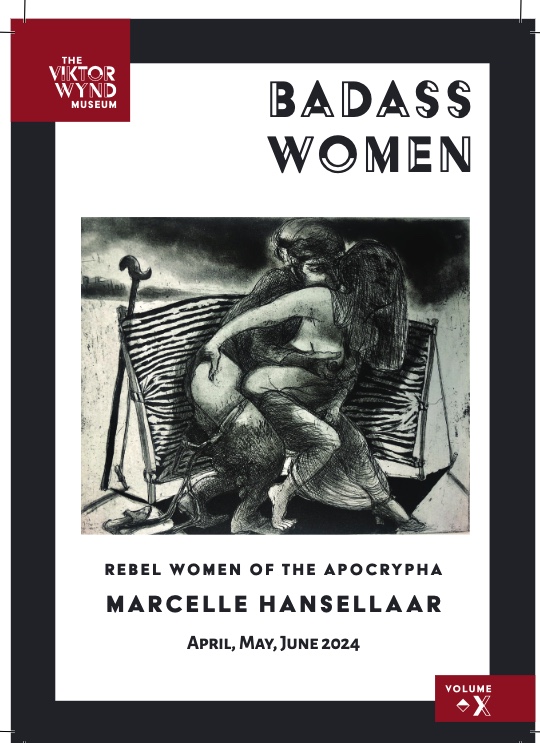
Badass Women – Rebel Women from The Apocrypha – Marcelle Hanselaar

View The Catalog Here

RSVP For The Private View on Wednesday 27th March Here


Related Events: Artist Talk with Marcelle Hanselaar at The Last Tuesday Society – Monday 22nd April at 7pm. Tickets available via: https://www.eventbrite.co.uk/e/artist-talk-marcelle-hanselaar-on-rebel-women-from-the-apocrapha-live-tickets-861520299407?aff=oddtdtcreator


We Are delighted to announce Marcelle Hanselaar’s second exhibition at 11 Mare Street


Rebel Women from the Apocrypha – by Mark Golder

The fifteen stories chosen by Hanselaar as the catalyst for this series come from the Judaeo-Christian biblical tradition, but she does not come to them from a faith background. Rather, these stories about powerful women caught her imagination over a period of decades, starting with hearing the tale of ‘Jezebel’ when she was at primary school and seeing a painting of ‘Judith’ by Cranach the Elder once she was an adult. What she liked about them was the no-nonsense, I-will-do-it-my-way attitude of the women. As the artist puts it, “These ancient imaginary narratives give us a much-needed energising subversiveness” in a world where deep-seated patriarchal attitudes are far from dead.

Hanselaar has called all the women ‘rebels’ and she has used the word ‘feisty’ to describe them. It truly sums up this assortment of women. Look at each print and then decide which of the various meanings of ‘feisty’ applies: lively, determined, courageous, spirited, spunky, plucky, strong-willed, or adamant. All these women are rebels against a male-dominated order of things, but Hanselaar is not thereby arguing they are all ‘good’ people. Even a fully paid-up feminist might question Herodias and Salome as role models when they connive at the murder of John the Baptist; and whilst Jezebel faces her death heroically she does have a previous history of murder and extortion.

Finally, some explanation of the word ‘apocrypha’ (which means ‘hidden’). There are three ways in which this term gets used. Firstly, there is the Apocrypha, with a capital A. This refers to books like ‘Judith’ which are only found in the Greek version of the Jewish Bible. Secondly, there are rabbinical commentaries on and elaborations of the Hebrew text. Thirdly, there is a very broad use of the term to suggest the appearance of folkloric elements within narratives. Hanselaar has continued in this tradition, adding her own ideas as an interpreter rather than as an illustrator in order to bring these stories to life for a predominantly secular audience in the early decades of the 21st century CE.


The Split, Adam and Eve

In Genesis/Bereshit the wife of Adam (‘Earth’) is Eve (‘Life’) and it is she who gets the blame for heeding the serpent and tempting humankind to disobey God. From this comes humanity’s expulsion from Paradise and sentence of death. She is also seen as of secondary value, being created from Adam’s rib. Hanselaar, however, picks up on something mentioned in later rabbinic commentary: that Adam soon realized that Eve was destined to engage in constant quarrels with him. Hanselaar brings out the erotic tension between Woman and Man. Adam lies on his back, the more passive position in sexual congress, and Eve pushes her stiletto heel into the wound from which she sprang. Here Woman takes control.

The Treasure, Sarai and Abraham

In the medieval period, Jewish lore expanded the story of Sarai (‘Princess’) who is the wife of the patriarch Abraham in Genesis/Bereshit. She is the most beautiful woman in the world and when her husband enters Egypt he is afraid men will kill him to obtain her, and so he conceals her in a chest. When the border guards search for contraband, Sarai emerges in a halo of brilliant light proceeding from her absolute beauty. Hanselaar turns Sarai into an image of life and light in a dark world. She steps out of the chest like Jesus from the tomb in Christian paintings from the Renaissance. This print could have been entitled: ‘Pulchritudo vincit omnia’ – ‘Beauty conquers All’.

The Knowing, Sisera’s Mother

The territory between Egypt and Syria has been fought over for millennia. In the biblical book of Judges/Sefer Shoftim, we are introduced to Sisera’s mother, the gloating parent of a Canaanite general sent to defeat the Israelites. She yearns to see her son return home with his spoils, in her hybris being unable to imagine failure. Hanselaar shows her literally in the dark on the left hand side. She does not know that there has been a great Israelite victory and that Sisera has fled to take refuge in the tent of a Canaanite woman called Jael. On the right, the artist shows his moment of destruction at the hands of that woman as Jael hammers a spike into his forehead.

Vindication, Judith and Holofernes

The name Judith means ‘Jewish woman’ and in medieval times Jewish communities associated her story with Chanukah, the winter festival marking the salvation of Jerusalem and its Temple from assault by foreign enemies. When the Assyrian general Holofernes attacks her home town she visits him and seduces him… and when he is drunk she hacks off his head – which simply cries out for a Freudian interpretation. Professor Deborah Levine judges this Jewish hero to be “beautiful and bold, pious and violent, seductive and wise”. Hanselaar renders Judith as a femme fatale, looking like Louise Brooks in ‘Pandora’s Box’ (1929), who is about to start carving up the head of Holofernes.

Unguarded, Samson and Delilah

Men really ought to think with their brain rather than their crotch. In Judges/Sefer Shoftim, the Jewish hero Samson (‘He of the Sun’) meets the foreigner Delilah (‘She of the Night’) and falls heavily into lust. What he does not know is that she is working for the enemy: the Philistines. During their pillow talk Samson reveals that his strength lies in his hair. When she discloses this to the Philistines they enter the bedroom, cut off Samson’s hair and blind him. In the dark one man bores into one of Samson’s eyes with a spike. In the light we see Delilah holding aloft a tress of Samson’s hair and looking back as if in shock. She has ‘seen the light’ and seems to be saying to herself: ‘What have I done?’

Beauty and the Beast, Salome

The story of Salome comes from the Christian Gospels and has all the trappings of grand guignol. A vengeful woman, Herodias, massages the crotch of her husband, Herod Antipas, as he watches the lascivious gyrations of her daughter and his step-daughter: Salome. Antipas stands for every man who thinks with his genitals rather than his brains, Salome for the bait of beauty, and Herodias for intelligent planning laced with malice. For in the background we see a servant holding aloft a plate on which sits the head of John the Baptist. Herodias, knowing her husband’s sexual weakness, has used Antipas’ lust for Salome, to get him to promise her the head of the prophet who accused the royal couple of incest.

Temptation, Potiphar’s Wife

At the end of Genesis/Sefer Bereshit the Jews’ ancestors are in Egypt because of Joseph, the power behind the throne; but before he got there he was a slave jailed by his master after being accused of attempted rape by that master’s wife. Joseph is described as “well built and handsome” and in medieval sources the unnamed wife is called Zuleika (‘Lovely’). She wants him and he wants to remain faithful to his master. Eventually he runs away, leaving his robe behind, which she can use as evidence against him. Hanselaar plays up the sexual tension in this scene. Zuleika has an ape beside her (a symbol of lust) and Joseph is not totally immune to her charms… he looks back and holds his crotch.

The Taboo, the Witch of Endor

In 1 Samuel/Shmuel we meet the first king of Israel, Saul, who comes close to a nervous breakdown when faced by the Philistine threat. In order to see into the future he breaks his own law and visits the Witch of Endor, a necromancer who can raise the dead and ask their advice. She raises the shade of the prophet Samuel and he foretells the destruction of Saul. Whereas traditional portrayals show Saul and Samuel conversing, Hanselaar concentrates on the woman who has the power to summon the shade. The Witch is a tour-de-force, filling the left-hand side. Blindfolded, she sees what others cannot see, aided by the hallucinatory drug she carries in her right hand. Saul is her powerless suppliant.

The Secret, The Queen of Sheba

The artist shows ‘the arrival of the Queen of Sheba’ who, in the Jewish Bible, comes to test King Solomon’s wisdom; but Hanselaar uses details from later Jewish folklore, where, as the queen greets the Jewish king, she raises her skirt and he ungallantly remarks on her hairy legs. In 2017 Niamh McGuinne put on an exhibition entitled ‘Bristle’ and highlighted how female hairiness has been seen traditionally as deviant. Solomon may think he is wise and witty, but in Hanselaar’s rendering he is reduced to a shadow sitting on a stool. It is the queen who is in the light and triumphantly walking across the chequerboard floor. In this game of gender politics it is the queen who checks the king.

Genesis, Lilith, Queen of the Night

Lilith started life as a Babylonian demon (‘Night Monster’), but for Jews her story really takes off in the medieval period when the apocryphal Tales of Ben Sira mention her in detail. She is portrayed as Adam’s first wife, made from the earth as was he. She leaves both him and Paradise because she refuses to lie beneath him. For this shocking lack of female modesty and submission to male power she is turned into a winged demon who is a danger to new-born children. Hanselaar shows Lilith in mid-flight, her hair streaming in the wind. Around her body twines a serpent with a tail looking remarkably like a penis. In this imagery there is something of the witch as portrayed in centuries of European lore.

Condemned, Lot and his Daughters

For any feminist, the way that Lot treats his daughters when faced by the men of Sodom is at best questionable. In Genesis/Bereshit the Jewish family is living amongst foreigners. When angels visit Lot and he gives them shelter, the locals turn nasty and seek to sexually assault the visitors. Lot offers his daughters as a substitute. Ken Stone remarks that men within a patriarchal society are less shamed by the violation of women than by male-on-male assault. Hanselaar shows Lot forcing his daughters towards the men of Sodom. The body language of the daughter on the left suggests, “Don’t you dare touch me!”; and the daughter on the right seems confused at her father’s action and resistant.

The Last Laugh, Tamar

In Bereshit/Genesis 38, the widowed Tamar is a woman wronged. Judah, her father-in-law, prevents another of his sons from acting as a legal surrogate for his dead brother in order to ensure Tamar provides the latter with an heir. Only chutzpah enables Tamar to become pregnant by Judah himself. She sits by the roadside and entices him as he returns from a festival. Hanselaar captures the unromantic animal coupling by which this non-Jewish woman ensures her husband has progeny. A later rabbinic commentary condemns Judah, who receives the humiliation he deserves, and praises Tamar for her fidelity, which receives divine endorsement: she has twins, from one of whom King David is descended.

Looking back, Lot’s Wife

The second ‘Lot’ print in this series concentrates on the mother of the violated daughters. In Genesis/Bereshit she is nameless, but the latter rabbinic commentators called her Idit. The family have to flee from Sodom because the city is to be destroyed for even contemplating assaulting the angels. The biblical narrative mentions Lot’s wife breaking the divine command not to look back and, as a consequence, being turned into a pillar of salt. In the apocryphal literature the pillar becomes symbolic of ‘the unbelieving soul’. Hanselaar captures the liminal moment. Idit is looking back and a black shadow creeps over her like a shapeless but maleficent hand of Death which will ‘saltify’ her.

The Refusal, Queen Vashti

During the Jewish feast of Purim the biblical Esther is honoured for persuading her husband, King Ahasuerus, not to slaughter the Jews in Persia; but Hanselaar does not give us Esther. Instead she concentrates on the king’s first wife, Vashti, because of her daring defiance of a man with the power of life and death. When her drunken husband seeks to parade her before his guests, she refuses. The artist shows the queen from behind the veil of the women’s quarters halting her husband in his tracks. She goes on reading as he stamps his foot and rages. “She had dignity. She had self-respect. She said, ‘I’m not going to dance for you and your pals.’

The Untamed, Jezebel

In the first Book of Kings/Sefer Melachim, a military putsch backed by the Jewish prophet Elisha leads to the destruction of Israel’s royal family which includes the Sidonian, thus foreign, Queen Jezebel. In Jewish lore she is excoriated as the persecutor of the Jewish prophets and an epitome of injustice. Hanselaar concentrates on the moment of greatest drama: when her servants turn upon her and prepare to throw her out of the window to be eaten by dogs. The artist does not portray Jezebel as a victim, but rather as a woman used to command who goes to her death still trying to control the narrative of power. She is still applying her make-up – warpaint? – as her eunuch dares to touch the once untouchable queen.

Marcelle Hanselaar

Born in Rotterdam, the Netherlands and growing up in the formal atmosphere of a protestant, postwar country, proved, thanks to her drop-out/turn-on rebellion, a profound source of inspiration for the recurring subject matter in Hanselaar’s work; namely the fierce and sometimes troubled cohabitation with those raw desires, secret fantasies and uncultivated instincts and our functioning in a civil society.

Although she studied briefly at the Royal Academy of Arts in The Hague, her lust for adventure, guided by a quest for self-discovery, led her to years of travel, until, in the early 80’s she settled down in her studio in London where she still lives.Self-taught, she started out as an abstract painter before turning to figuration.
At the same time she became fascinated by etching, its harsh, bitten line seemed to perfectly suit her subject matter.As an artist Hanselaar looks for ways to express those illusive questions of who and what we are when the mask is off, and how we appear when the mask is on. The shock effect of her work lies in the contrast of combining her outspoken subject matter with the conventional medium of oil painting or etching.

Both her paintings and her prints display her delight and fascination with theatrical illusions and although often peppered with a biting sense of humor, the works reveals her own vibrant understanding of human nature, in all its animosity and fragility.
Cabinets of Death: Morbin Museum & Cocktelarium

Bompas & Parr and The Last Tuesday Society present

CABINETS OF DEATH

— Death Museum & Cocktelarium —

Celebrate ‘Cry January’ at the UK’s first Cabaret of Death since 1954

Free exhibition on view 16 January – 18 February 2024 at The Last Tuesday Society. Book a table in The Absinthe Parlour for the Cabinets of Death cocktail menu.

To celebrate the launch of the new publication Cabarets of Death by Mel Gordon and Joanna Ebenstein and published by Strange Attractor Press, Bompas & Parr & Joanna Ebenstein have co-curated an exhibition celebrating the spectacle of the ‘Death Cabarets’ found in Paris in the early 20th century and the rituals and motifs surrounding death.

The Cabinets of Death exhibition, death-based cocktail menu and convocation will be launching on 15th January, following ‘Blue Monday’ the saddest day of the year, and open to the public from 16th January.

Wednesday 31st January 6PM – 9PM — You’re invited to the launch party for the ‘Cabarets of Death’ book, Death Museum & Cocktelarium at The Last Tuesday Society (11 Mare Street London E8 4RP). Entry is free but RSVP is required.

Programming:

15th Jan: Not Fearing the Reaper: A Talk on the Cabaret of Heavenly Hell with Eleanor Crook

16th Jan – 18th Feb: Cabinets of Death – Death-based exhibition and ‘Cry January’ experience open to the public at The Last Tuesday Society. Exhibition is free and located in the main seating area of The Absinthe Parlour. Reserve a table in The Absinthe Parlour to explore the special Cabarets of Death cocktail menu via https://thelasttuesdaysociety.org/absinthe-parlour

31st Jan: Launch party for the ‘Cabarets of Death’ book and exhibition. Free RSVP via this event page.

5th Feb: Laughing at Death: An illustrated talk about Death Themed Cabarets with Joanna Ebinstein

The History of Cabarets of Death

In 1892, Paris’ Montmartre district saw the opening of three eerie cabaret restaurants which were dedicated to offering their guests bardo-like journeys into the afterlife. Each of the three venues presented a unique, comic-grotesque vision of death, set in menacing environments of Nothingness, Hell, or Heaven. They featured costumed characters, hidden optical illusions, improvisational spectacles, nudity, invented cuisines, and audience participation. For a small fee and a dinner, guests could experience the great mystery of the afterlife as a daunting amusement. An order of ‘‘Two glasses cholera, one gangrenous leg and two consumptions!’ were often heard at the bar for drinks, which were then served by a waiter dressed as a pallbearer chanting ‘Thy will be done’.

“To astonish you, to give you a sensation, to quicken into some sort of action your jaded nocturnal nerves, is the object of all these places.” New York Times May 14, 1911.

The Science behind #CryJanuary

Bars have historically held a significant place in society as essential public spaces for social interaction and sociability. They serve as meeting points where individuals from diverse backgrounds gather to socialise, engage in conversation, unwind, and establish connections. However, data from CGA by NIQ revealed that the number of licensed premises has decreased by 31% in the past 20 years, particularly drink-led pubs and bars. With their increasing closure, this removes societal support networks hence diminishing the opportunities for community engagement.

As emerging theories gain traction regarding the importance of crying, new perspectives suggest that tears play a role in triggering social bonding and human connections. To delve deeper into the science behind emotions, especially concerning tears, we will be collaborating with scientists who specialise in the world of neuroscience.

During the 19th century, and especially in America during and after the Civil War, supposedly, tear catchers were used as a measure of grieving time. Once the tears cried into them had evaporated, the mourning period was over. It’s a good story—too good. In truth, both science and history agree, there’s really no such thing as a tear catcher.

This myth will be transformed into an interactive experience for Londoners in the month of January. Guests will have the chance to contribute to London’s largest tear catcher throughout January. We’ll provide guests with prompts and tools to shed tears into our ‘Cry January’ vessel, gradually building it up over the month.

Cabarets of Death

The Cabarets of Death book, authored by Mel Gordon and edited by Joanna Ebenstein, explores the intriguing emergence and impact of three eerie cabarets in Paris’ Montmartre district in 1892: Cabaret du Néant (Cabaret of Nothingness), Cabaret de l’Enfer (Cabaret of Hell), and Cabaret du Ciel (Cabaret of Heaven). These venues provided chilling experiences focused on death and the afterlife, distinct from the typical entertainment-driven cabarets of the era. Despite their irreverent approach, these cabarets garnered attention and influenced other cities like New York, Berlin, and Brussels. The book also highlights the work of renowned photographers and artists who immortalised the eerie scenes and characters within these cabarets through souvenir postcards and publications, a captivating legacy that continues to fascinate enthusiasts.

About Bompas & Parr

Architects of taste; feeding minds and stomachs. London based, operating globally, Bompas & Parr is recognised as the leading expert in multi-sensory experience design, delivering emotionally captivating experiences across various industries. Originally known for their expertise in jelly-making, founders Sam Bompas and Harry Parr expanded their venture into a full-fledged creative studio, specialising in food and drink design, brand consultancy, and immersive experiences. Leveraging backgrounds in marketing and architecture, alongside a diverse spread of talents among the 20-strong team, the studio’s activations are marked by bold ambition, distinct aesthetic style and interpretive vigour that’s unrivalled among creative agencies. Notable projects include Alcoholic Architecture, the world’s first Multi-Sensory Fireworks display, and the Taste Experience for the Guinness Storehouse. Additionally, they established the British Museum of Food and authored six books exploring humanity’s relationship with food. Collaborating with brands like Coca-Cola, Johnnie Walker, Mercedes, Vodafone, and cultural institutions such as The Barbican and San Francisco Museum of Modern Art, Bompas & Parr remains at the forefront of innovative experiential design.

bompasandparr.com

About The Last Tuesday Society

The Last Tuesday Society is a ‘pataphysical’ organisation founded by William James at Harvard in the 1870s and run by The Chancellor Viktor Wynd since the early noughties, for the last twenty years or so it has organised a bewildering array of literary salons, masquerade balls, exhibitions, expeditions, seances, courses and of course the infamous ‘Loss; an Evening of Exquisite Misery’ – a reconstruction of Gunter Grass’s Onion Cellar nightclub from The Tin Drum where guests gathered in their thousands to cut onions and cry the noughties away. Since 2009 it has been headquartered on Mare street, in the heart of London’s East End at The Viktor Wynd Museum of Curiosities, Fine Art & UnNatural History, a 21st century reinterpretation of the Wunderkabinett replete with two headed monsters, shrunken heads, an occult temple, surrealist & magickal paintings, an ossuary, mermaids, unicorns, fairies and other wonders. In 2016 Master Mixologists & Distillers Allison Crawbuck & Rhys Everett joined the society as directors and took the cocktail bar to new heights as the UK’s only Absinthe Parlour. The Absinthe Parlour is a drinker’s cabinet of wonder filled with unusual spirits, from the old world and new, together in one curious exhibition of extraordinary elixirs. In 2019, it was voted “Best Bar in London” at the DesignMyNight Awards and in 2020 their Absinthe menu was shortlisted for Imbibe’s “Specialist List of the Year”.

https://thelasttuesdaysociety.org/

About Strange Attractor

An independent publishing house and collective focusing on unconventional and fringe topics across various disciplines, including literature, art, history, science, and culture. Founded by Mark Pilkington and Jamie Sutcliffe in 2003, Strange Attractor Press aims to explore and publish works that delve into unusual, obscure, and often overlooked areas of knowledge. Their work explores themes such as occultism, paranormal phenomena, conspiracy theories, counterculture movements, folklore, and alternative histories. Nearly two decades since its inception, with numerous exhibitions and books in its past, Strange Attractor Press continues its mission to celebrate unpopular culture.

http://strangeattractor.co.uk/

About Joanna Ebenstein

Joanna Ebenstein is a Mexico-based author, curator, photographer and designer. She is the founder and creative director of Morbid Anatomy, an organisation that has been exploring the intersections of art and medicine, death and culture, since 2007. She traces her lineage back to Judah Loew ben Bezalel, credited with creating the Golem in 16th century Prague. She is also a proud member of The Order of the Good Death.

https://www.joannaebenstein.com/

Cabarets of Death