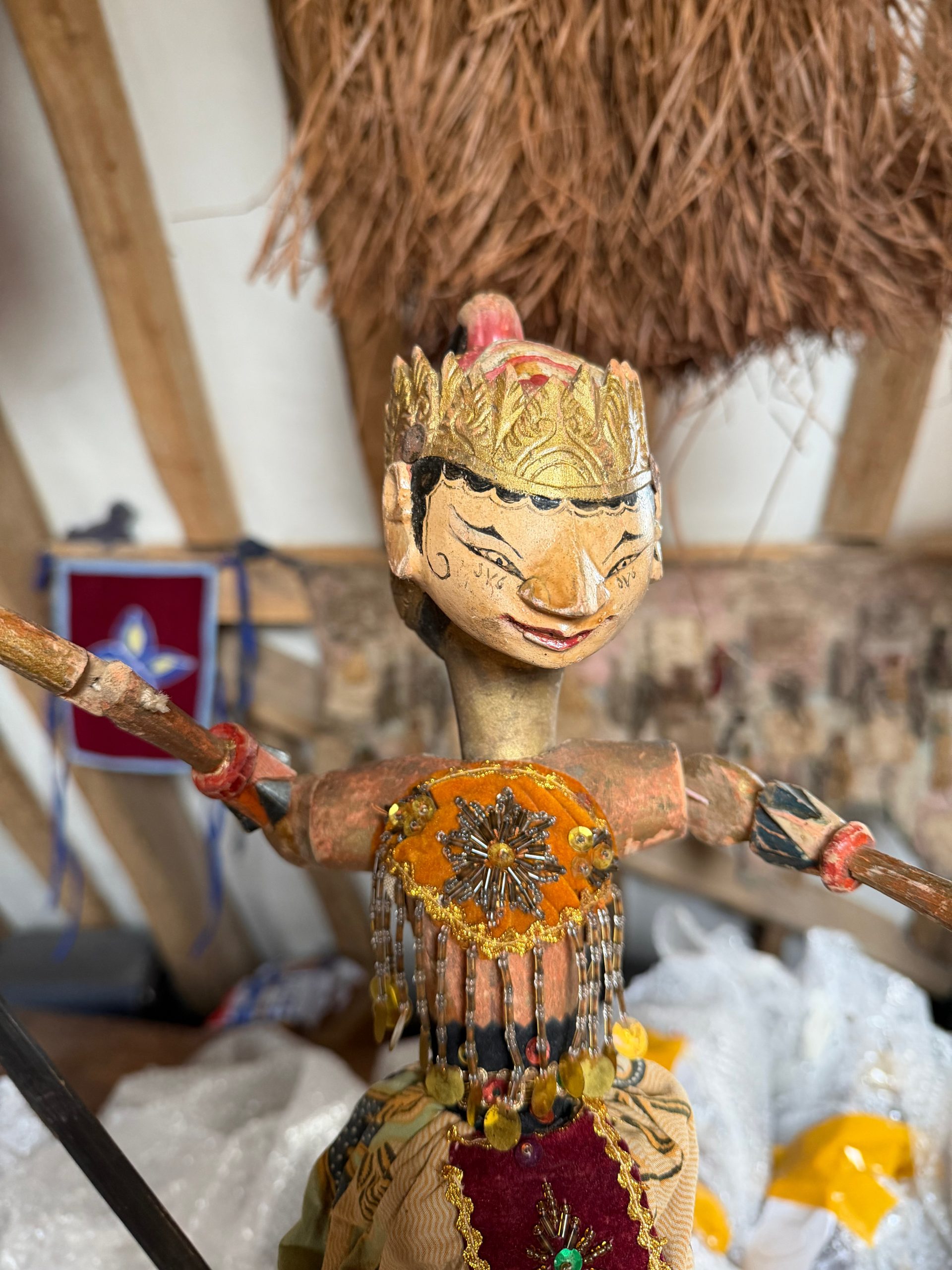
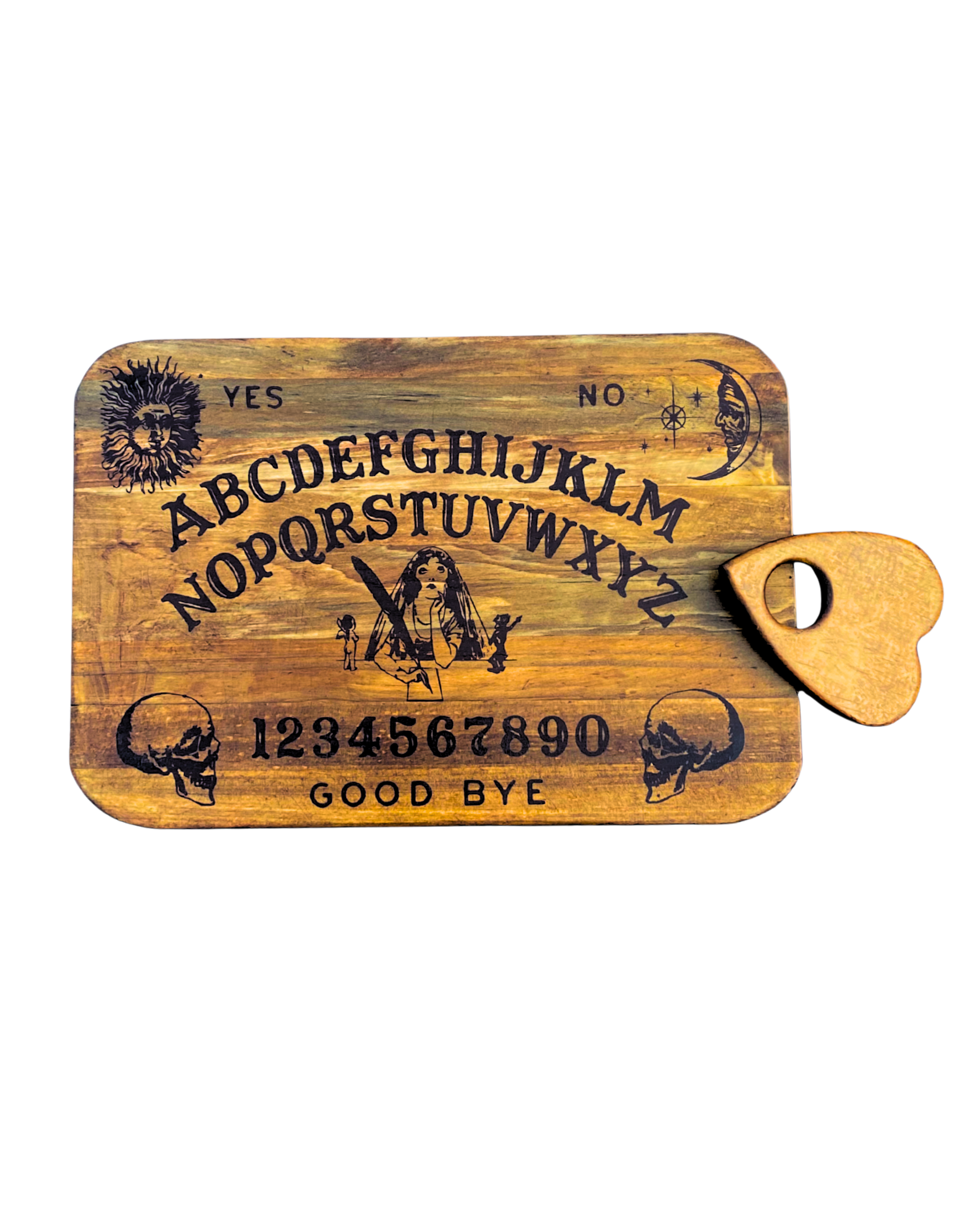
The World’s Longest Standing Erection

Last Year We Ran a Crowdfunding Campaign to Buy a Mummified Child – alas We Were Not Successful

But Thanks To The Extraordinary Generosity of Some of Our Supporters We Raised Enough Money To Hire Something Else

We Have Hired

“IT”

“IT” Is the Most Wonderful, Extraordinary, Obscene, Glorious, Beautiful Thing We Have Ever Seen – & “IT” Is Coming To Our Museum, To Make Our Museum, Hackney & Indeed London A BETTER PLACE

Paul Benney – Night Paintings

“The sombre richness of Benney’s aesthetic is at its strongest throughout what he terms his ‘Night Paintings’, a perhaps deliberate reference to the ‘Night Piece’ prints by Rembrandt whose dark tonal burr likewise captures an intimate sense of nocturnal mystery and magic. Rembrandt is an obvious point of comparison to Benney, whether in their mutual skill and worldly success as portraitists or in their compensatory lure towards the shadow and the very dark itself.”

Adrian Dannat

Paul Benney has worked as an artist and musician in both the U.S. and U.K. and is represented in public collections world wide including The Metropolitan Museum of Art, The National Gallery of Australia, The National Portrait Gallery, The Royal Collection, The Eli Broad Foundation, AIG Houston, and Standard Life. A member of the Neo-Expressionist group of the early 80’s in New York’s East Village, Benney became known for his depictions of stygian themes and dark nights of the soul. Also one of the country’s leading portrait artists, he has painted many prominent cultural and political figures from Mick Jagger to The Queen

Please Check The Museum’s Website for latest Opening Hours.

Due to The Oddities of The Current Plague Viewing is Best at Opening Time, Or Come Half An Hour Early to See Them On Your Own – Confirm with [email protected]

Admission to The Exhibition is Free – Though there is a Charge to See The Museum

Alasdair Gray – An Exhibition

The Viktor Wynd Museum & The Last Tuesday Society takes enormous pleasure in inviting you to the private view of our new exhibition – a selection of his paintings, notebooks and drawings chosen from his Glaswegian home. Alasdair Gray is considered Scotland’s greatest living artist & writer – a modern day William Blake, as celebrated for his novels – including Lanark, Poor Things & 1982 Janine as for his paintings, illustrations and murals. The exhibition is accompanied by a fully illustrated catalog with essays by his biographer Rodge Glass, the critic Stuart Kelly & writer Allan Massie

Download the Catalog Here

Mervyn Peake, an Exhibition of Certain Rare Dreams

Viktor Wynd Requests The Pleasure of Your Company for The Opening of His Next Exhibition of artworks by Mervyn Peake. the exhibition will run until September 2019/

Peter Winnington writes in the introduction to the exhibition catalog.

Download Catalog Here.

Mervyn Peake was born in China in 1911 to medical missionary parents. Educated at Eltham College, he won a scholarship to study at the Royal Academy Schools. In the summer of 1933, having completed only three of his five years, he left to join an artists’ colony on the island of Sark, where he painted intensively, producing some remarkable portraits and less remarkable landscapes. Spotted by the head of the Westminster School of Art, he was taken on to teach life drawing from early in 1935.

Back in London, he was invited to contribute pencil portraits of well-known figures to the London Mercury; he painted both portraits and landscapes for himself, at the same time as writing poetry. He had his first major exhibition in the spring of 1938.

With the coming of war, the Westminster School closed and Peake withdraw to the safety of a tiny village in Sussex. He applied to work as a war artist, but he was drafted into the Royal Artillery, which could find little use for him. From the moment he was called up, he started writing a work of pure imagination which was published as Titus Groan in 1946. A second volume, Gormenghast, followed in 1950, and a third, Titus Alone, in 1959. Re-issued as “Penguin Modern Classics” at the end of the 1960s, they finally found the public they needed; they have never since been out of print.

Recognizing Peake’s gift for illustrating nonsense and the fantastic, Chatto & Windus brought out his Hunting of the Snark in 1941, followed by The Rime of the Ancient Mariner, which sold out within a week of publication in 1943.

It was a Swedish publisher that commissioned his Alice in Wonderland and Through the Looking-Glass; his drawings have been called the definitive modern interpretation of Carroll’s books. Nineteen forty- eight saw the publication of one of Peake’s illustrated books for children, Letters from a Lost Uncle ( which was remaindered. In the same year he illustrated Dr Jekyll and Mr Hyde for the Folio Society, and he started illustrating Bleak House by Charles Dickens, but the publisher abandoned the project. His Treasure Island (1949) was the last of his great illustrated works.

In 1950, the year in which Gormenghast was published, Peake returned to teaching and, for lack of commissions, he devoted much time to writing a play, which had a very brief run at the Arts Theatre in 1957. By then, he was suffering from early onset Parkinson’s Disease, from which he died in 1968.

As an illustrator, Peake is remembered mainly for his black-and- white work. This exhibition reminds us that, given better means of reproduction, he would have been known for his coloured illustrations too.
Anna Barlow – Ice Creams in the Window

The Viktor Wynd Museum is Delighted to present Anna Barlow’s second solo Exhibition taking over the whole of the museum’s window.

Anna Barlow makes sculptures using realistic ceramic representations of ice cream, cakes and other sweet foods as a basis to tell a story or to build a fantasy around food.

It is the juxtaposition of temporary ice cream and permanent ceramic that inspire me to produce one in the other. To solidify a fleeting, melting moment and highlight a relationship between the soft and the solid.

It is both a reverence of food and an old trick that has lasted for hundreds of years – we love to be fooled by a material pretending to be edible- and we love food.

An undercurrent of competitivity, anxiety, consumerism and performance is usually lurking beneath the surface of a three tiered ombre butter cream piñata cake. Age old fears, joys and tragedies tend to go hand in hand with a gathering of people around a cake…

Ithell Colquhoun

Richard Shillitoe has curated Ithell Colquhoun’s first London exhibition since 1977.

Born in India, she studied at The Slade and engaged with the Surrealist movement both in France & England before being expelled from the London group for refusing to curtail her esoteric interests. Withdrawing full-time to Cornwall in 1959 she became increasingly concerned with occult activity. Her researches led her to engage with Druidry, Freemasonry, Martinism (a group promoting mystical Christianity} and ceremonial magic. She was a member of the Ordo Templi Orientis, an order which followed in the tradition of the Hermetic Order of the Golden Dawn and in later life she became a Priestess of the Fellowship of Isis. Many of these influences can be seen in the works on display in the exhibition.

A fully illustrated catalog with texts by Richard Shillitoe & Alyce Mahon will be published to accompany the show

Admission to the exhibition is Free. You are advised to visit Wednesday – Friday between 12 noon and 5pm as we can be busy at other times

THE PRIVATE VIEW WILL ALSO BE THE OCCASION FOR THE BOOK LAUNCH FOR MEDEA’S CHARMS BY ITHELL COLQUHOUN, PUBLISHED BY PETER OWEN.
In Medea’s Charms Colquhoun’s shorter writings are anthologised for the first time, revealing the scope and sophistication of her interest in both the occult and surrealism. Poetry and short stories are complimented by her essays, the subjects of which range from hermetic texts for both the novice and the advanced practitioner, to writings on art and folklore. Colquhoun scholar Richard Shillitoe unlocks the secrets of her work, guiding the reader through the extraordinary imagination that lies at the heart of Colquhoun’s genius.

The book also demonstrates the extent to which Colquhoun’s painting and writing illuminate each other. The interplay between word and image is brought home by the inclusion of a striking selection of her paintings, some of which are reproduced here for the first time.