The Hallouminati Club Sponsored by Devil’s Botany
A Cheesy Speakeasy in the Austin Osman Spare Room at The Last Tuesday Society
Join Raw Cheese Power for an evening of cheese tasting, talk & tales! An experienced cheese trader & occultist, our host – also known as the Dark Knight of Cholesterol – brings five courses of rare & exquisite British cheeses.
Fun & informal, the event is a chance to try, learn about and discuss cheese history, heritage & artistry within a cultural & geographical context, plus anything else, of course!
Tickets include a free glass of Devil’s Botany Chocolate Absinthe Liqueur to end the tasting.
Doors open at 18:30. Event Time: 19:00 – 21:00. Please arrive beforehand. Guests are welcome to stay for a drink after the event as the venue’s bar will remain open to the public throughout the evening.
CHEESE PREORDERS
£25 Selection of British Farmhouses Cheeses will be available for collection during this event. Cheese selections must be pre-ordered two weeks before the event date. To order, please email [email protected]
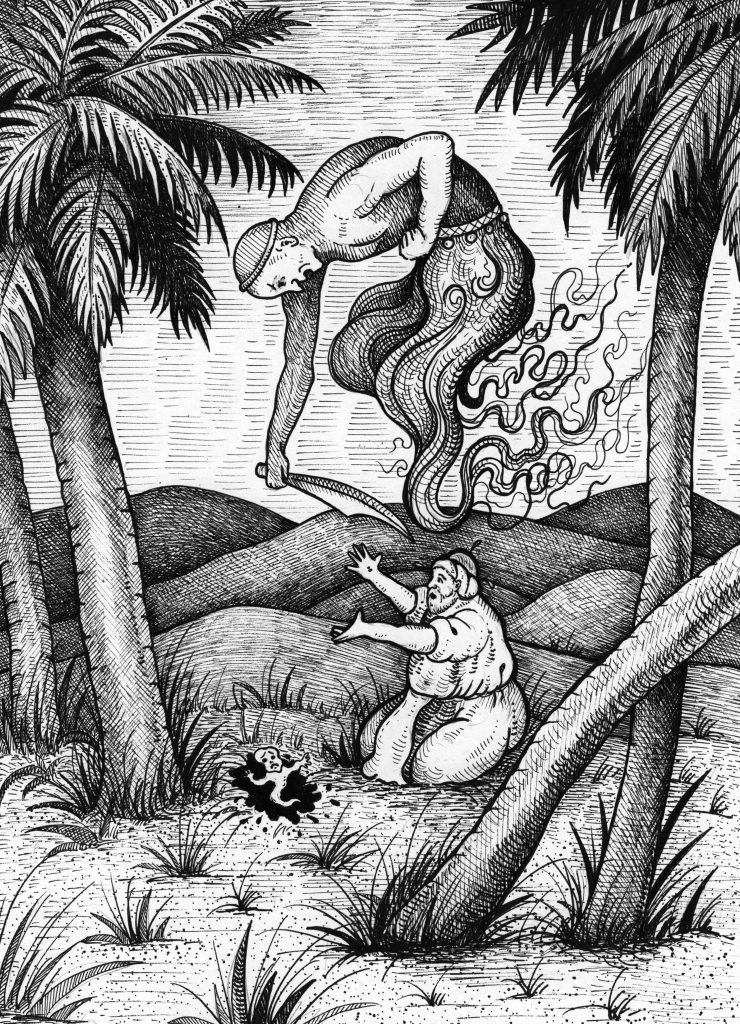
1930’s Cairo: Jinn summoners and mystics
In 1930’s Cairo there was a police campaign to shut down the shadow world of Jinn summoners and mystics. At the same time, another group emerged, the hypnotists and spiritualists inspired by the scientific progress of the 20th century. This talk puts these two phenomena alongside each other, looking at one of the most famous court cases of the 1930’s, involving an Italian woman who had married one of the kings of the Jinn world, and at some of the most famous hypnotists of modern Cairo. Looking at these two things together, the talk will explore questions of gender, modernity, and East-West relations in a completely new way.
Bio
Raphael Cormack is Assistant Professor of Arabic at Durham University. He is a writer, translator, and editor. His first book, Midnight in Cairo, was about the female stars of Egypt’s early 20th century entertainment scene. Holy Men of the Electromagnetic Age, about the transnational history of the occult in the 1920’s and 1930’s, is his second book.
Curated & Hosted by
Marguerite Johnson is a cultural historian of the ancient Mediterranean, specialising in sexuality and gender, particularly in the poetry of Sappho, Catullus, and Ovid, as well as magical traditions in Greece, Rome, and the Near East. She also researches Classical Reception Studies, with a regular focus on Australia. In addition to ancient world studies, Marguerite is interested in sexual histories in modernity as well as magic in the west more broadly, especially the practices and art of Australian witch, Rosaleen Norton. She is Honorary Professor of Classics and Ancient History at The University of Queensland, and a Fellow of the Australian Academy of the Humanities. She lives in Mytilene on the Greek island of Lesvos.
Caption
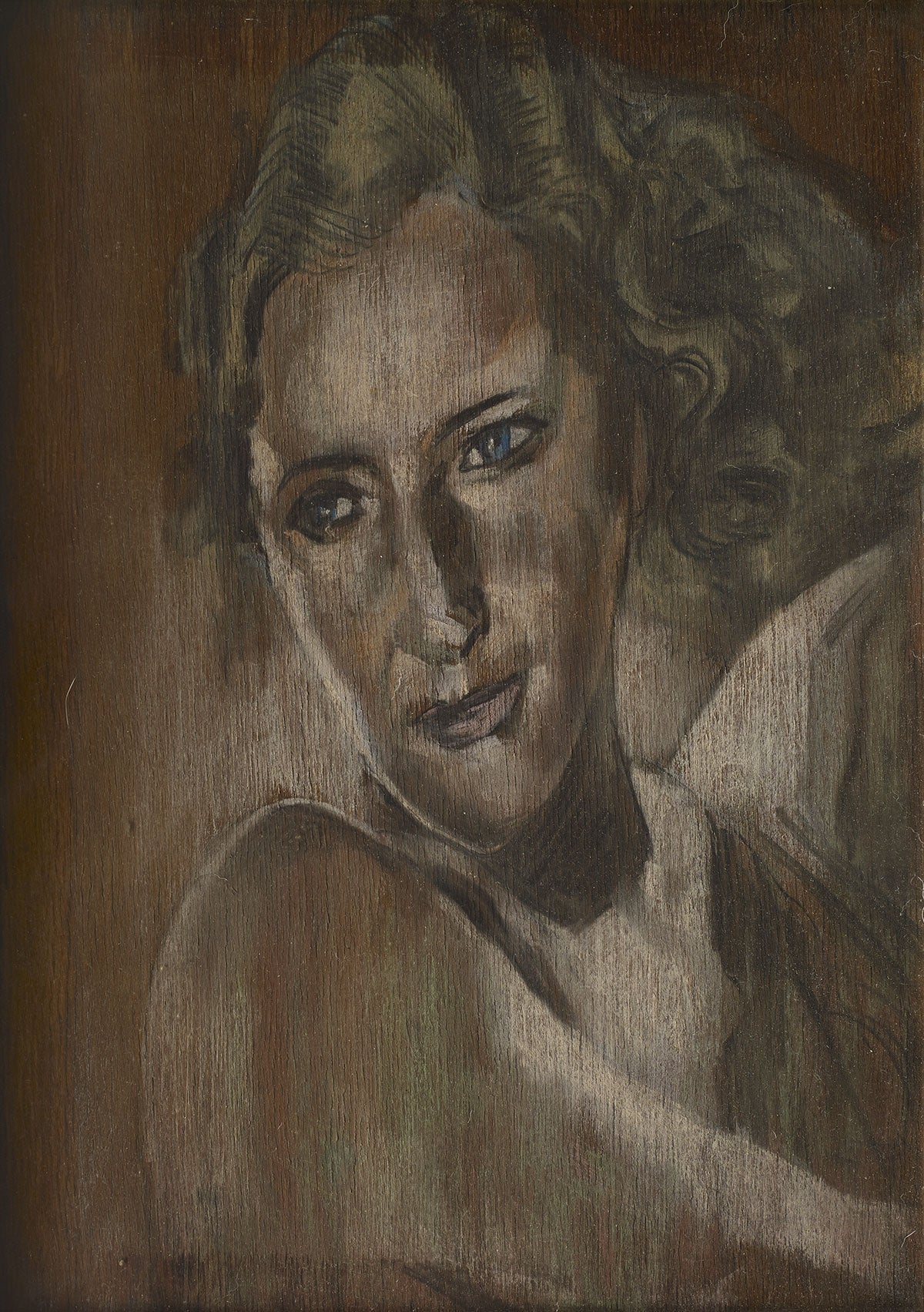
Dr Salomon, Arabic hypnotist and his medium Emile.
don’t worry if you miss it – we will send you a recording valid for two weeks the next day
Will You Join The Dance? A brief history of the Danse Macabre
The Dance of Death was an artistic trope that began in the fifteenth century to show death as the great leveller: everyone will die, from the lowliest peasant to the king and the pope. Death is depicted as a skeleton, leading people from all walks of life to join his dance. This talk will look at the origins of this image, and the way it evolved, and tied in with other memento mori images, as well as reflecting shifts in anatomical understanding
Bio:
Cat Irving has been the Human Remains Conservator for Surgeons’ Hall since 2015 and has been caring for anatomical and pathological museum collections for over twenty years. After a degree in Anatomical Science she began removing brains and sewing up bodies at the Edinburgh City Mortuary. Following training in the care of wet tissue collections at the Royal College of Surgeons of England she worked with the preparations of William Hunter at the Hunterian Museum at Glasgow University, where she is now Consultant Human Remains Conservator. Cat is a licensed anatomist, and gives regular talks on anatomy and medical history. She recently carried out conservation work on the skeleton of serial killer William Burke
Don’t worry if you miss it – we will send you a recording valid for two weeks the next day.
Latin American Mythology and Legends – Gods, Ghosts, and Forbidden Forests
From the whispering jungles of the Amazon to the haunted streets of colonial cities, Latin America is steeped in stories that blur the line between myth and reality. Join us for a captivating journey through a continent rich in ancient deities, shape-shifting spirits, bloodthirsty creatures, and heroic tricksters.
This lecture dives into the mythologies of the Aztec, Maya, Inca, and lesser-known Indigenous cultures—alongside folk legends like La Llorona, El Silbón, and the Chupacabra. Discover how colonialism, Catholicism, and native beliefs intertwined to create some of the most potent and haunting lore on Earth.
Whether you’re drawn to the gods of the sun and maize, or the weeping woman who wanders by moonlight, this is a night of stories that will enchant, terrify, and inspire.
Speaker Bio:
Lena Schattenherz Heide-Brennand is a Norwegian lecturer with a master degree in language, culture and literature from the University of Oslo and Linnaeus University. She has been lecturing and teaching various subjects since 1998. Her field of interest and main focus has always been topics that others have considered strange, eccentric and eerie, and she has specialised in a variety of dark subjects linked to folklore, mythology and Victorian traditions and medicine. Her students often point out her thorough knowledge about the subjects she is teaching, in addition to her charismatic appearance. She refers to herself as a performance lecturer and always gives her audience an outstanding experience, Lena’s New Book – Mythical Creatures in Scandinavian Folklore is now available on Amazon
don’t worry if you miss it – we will send you a recording valid for two weeks the next da
Plagues of Passion: A History of Herpes, Syphilis, Gonorrhoea, Chlamydia, Hepatitis & HIV — A 6- Part Lecture Series Exploring the Dark Intimacies of Disease
Lecture One – Pox and Prejudice: The Story of Syphilis Through the Ages
From the whispered shame of ancient courtesans to the bio-political battlegrounds of the 20th century, this gripping lecture series traces the strange and scandalous journeys of five of history’s most infamous sexually transmitted infections: Herpes, Syphilis, Gonorrhoea, Chlamydia, Hepatitis, and HIV.
Uncover how these infections shaped empires, influenced religion and morality, inspired grotesque treatments and cruel laws — and gave rise to some of the most ground-breaking medical breakthroughs of the modern age. With each session focusing on one disease, we’ll dive into its origin myths, sociocultural impact, evolving medical responses, and the enduring human stories behind the statistics.
Expect mummified syphilitics, Cold War paranoia, ancient Egyptian condoms, tabloid fearmongering, wartime brothels, queer resistance, blood politics, and the science of stigma.
History has never been this intimate.
Speaker Bio
Lena Schattenherz Heide-Brennand is a Norwegian lecturer with a master degree in language, culture and literature from the University of Oslo and Linnaeus University. She has been lecturing and teaching various subjects since 1998. Her field of interest and main focus has always been topics that others have considered strange, eccentric and eerie, and she has specialised in a variety of dark subjects linked to folklore, mythology and Victorian traditions and medicine. Her students often point out her thorough knowledge about the subjects she is teaching, in addition to her charismatic appearance. She refers to herself as a performance lecturer and always gives her audience an outstanding experience, Lena’s New Book – Mythical Creatures in Scandinavian Folklore is now available on Amazon
Speaker Bio:
Cat Irving has been the Human Remains Conservator for Surgeons’ Hall since 2015 and has been caring for anatomical and pathological museum collections for over twenty years. After a degree in Anatomical Science she began removing brains and sewing up bodies at the Edinburgh City Mortuary. Following training in the care of wet tissue collections at the Royal College of Surgeons of England she worked with the preparations of William Hunter at the Hunterian Museum at Glasgow University, where she is now Consultant Human Remains Conservator. Cat is a licensed anatomist, and gives regular talks on anatomy and medical history. She recently carried out conservation work on the skeleton of serial killer William Burke
don’t worry if you miss it – we will send you a recording valid for two weeks the next day
Fairy Tales: Their Ancient Origins
Did you know that the story of “Cinderella” can be traced back to ancient Greece of 2,500 years ago? How about “Beauty and the Beast,” based on the 2,000-year-old Roman story of “Cupid and Psyche”? These are just two examples of the many fairy tales that have their origins in the ancient world. This talk explores the nature of fairy tales in antiquity and their influence on later tales. We will explore ancient Egyptian stories, a medieval “Little Red Riding Hood,” and variants in the collections of the Brothers Grimm, Charles Perrault, and others.
Image: William-Adolphe Bouguereau, ‘The Abduction of Psyche’ (1895).
Bio
Debbie Felton is Professor of Classics at the University of Massachusetts Amherst, where she teaches ancient Greek and Latin as well as various courses in translation, such as “Fairy Tales in the Ancient World,” “Magic in the Ancient Mediterranean,” and “Monsters of Classical Myths—and Their Meanings.” She specializes in folklore in classical literature and has published on various folklore-related topics including ghosts and witches. She is the author of Ghost Stories from Classical Antiquity (1999) and Serial Killers in Classical Myth and History (2021). She has also edited several volumes, including A Cultural History of Fairy Tales in Antiquity (2021) and The Oxford Handbook of Monsters in Classical Myth (2024).
Curated & Hosted by
Marguerite Johnson is a cultural historian of the ancient Mediterranean, specialising in sexuality and gender, particularly in the poetry of Sappho, Catullus, and Ovid, as well as magical traditions in Greece, Rome, and the Near East. She also researches Classical Reception Studies, with a regular focus on Australia. In addition to ancient world studies, Marguerite is interested in sexual histories in modernity as well as magic in the west more broadly, especially the practices and art of Australian witch, Rosaleen Norton. She is Honorary Professor of Classics and Ancient History at The University of Queensland, and a Fellow of the Australian Academy of the Humanities. She lives in Mytilene.
don’t worry if you miss it – we will send you a recording valid for two weeks the next day
Medusa: A History in 3,000 Years
In her role as a seemingly destructive female from classical mythology, Medusa continues to fascinate and disturb modern audiences. She has been interpreted and reinterpreted over the centuries: Is she a dangerous, man-destroying monster? An innocent maiden unjustly punished by the gods? A supernatural entity who just wanted to be left alone? A feminist icon?This talk presents various perspective on Medusa ranging over the last three thousand years, including representations from both literature and art, from early Greek texts such as Hesiod’s Origins of the Gods to recent artistic reconceptions such as Luciano Garbati’s Medusa with the Head of Perseus (2008) and beyond.
Bio
Debbie Felton is Professor of Classics at the University of Massachusetts Amherst, where she teaches ancient Greek and Latin as well as various courses in translation, such as “Fairy Tales in the Ancient World,” “Magic in the Ancient Mediterranean,” and “Monsters of Classical Myths—and Their Meanings.” She specializes in folklore in classical literature and has published on various folklore-related topics including ghosts and witches. She is the author of Ghost Stories from Classical Antiquity (1999) and Serial Killers in Classical Myth and History (2021). She has also edited several volumes, including A Cultural History of Fairy Tales in Antiquity (2021) and The Oxford Handbook of Monsters in Classical Myth (2024).
Image: Gorgoneion featuring the head of Medusa, Greece, 4th Century BCE. Pushkin Museum.
Curated & Hosted by
Marguerite Johnson is a cultural historian of the ancient Mediterranean, specialising in sexuality and gender, particularly in the poetry of Sappho, Catullus, and Ovid, as well as magical traditions in Greece, Rome, and the Near East. She also researches Classical Reception Studies, with a regular focus on Australia. In addition to ancient world studies, Marguerite is interested in sexual histories in modernity as well as magic in the west more broadly, especially the practices and art of Australian witch, Rosaleen Norton. She is Honorary Professor of Classics and Ancient History at The University of Queensland, and a Fellow of the Australian Academy of the Humanities. She lives in Mytilene.
don’t worry if you miss it – we will send you a recording valid for two weeks the next day
Freshwater Mermaids: The Last Ladies of the Lake
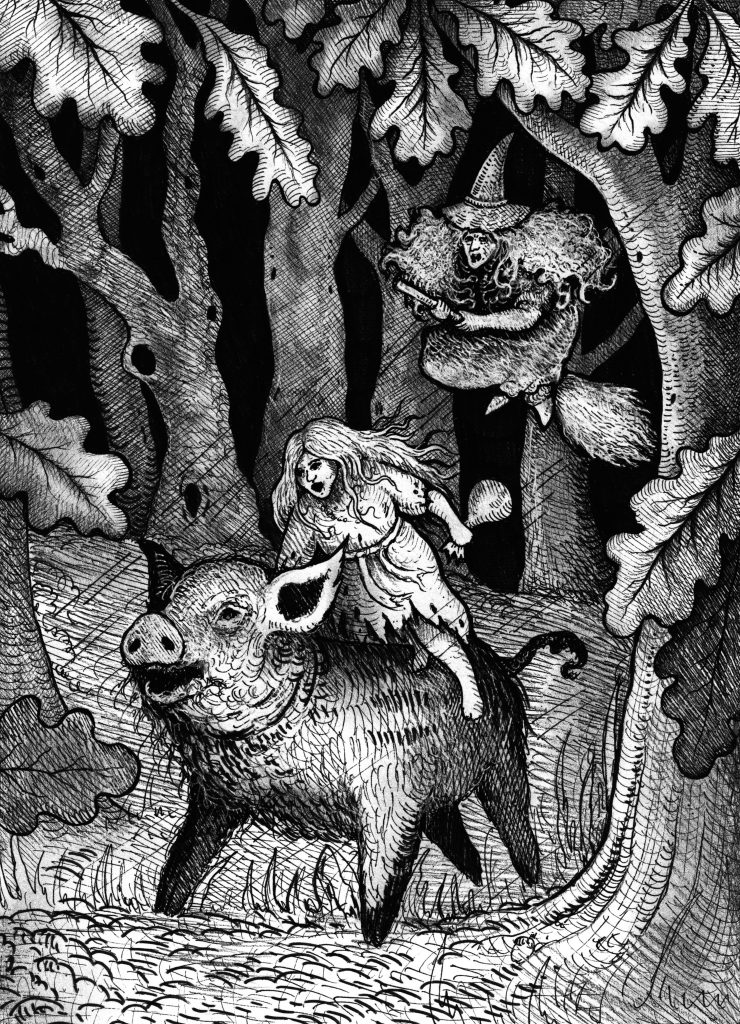
High on Kinder Scout in the Peak District sits a small, unassuming tarn known as the Mermaid’s Pool. Victorian locals would trek there at Easter midnight, hoping for a glimpse of its mysterious inhabitant, a benevolent spirit who offered immortality rather than death. Far from being an isolated phenomenon, the Kinder Mermaid belongs to a largely overlooked category in English folklore: the “lake ladies.” This talk recalls the folklore of these rare female water spirits—from Yorkshire to Herefordshire—arguing they form a distinct supernatural cohort separate from murderous “drowners” like Jenny Greenteeth.
Bio
Dr Simon Young is a British folklore historian based in Italy. He is the editor of Exeter New Approaches to Legends, Folklore and Popular Legends and teaches history at University of Virginia’s Siena Campus (CET). Over the years he has run courses on the History of Christianity, Italian Food History, Italian Media History, Contemporary Italian History, WW2 in Italy and Italian Renaissance History. He has written extensively on the nineteenth-century supernatural. His book The Boggart (from Exeter University Press) and The Nail in the Skull and Other Victorian Urban Legends (from Mississippi University Press) came out in 2022.
Articles listing: https://independent.academia.edu/SimonYoung43
Latest books: https://www.amazon.co.uk/Boggart-Folklore-History-Placenames-Approaches/dp/1905816901/ref
[Free downloadable source book, click ‘open access]: https://www.exeterpress.co.uk/en/Book/2114/The-Boggart-Sourcebook.html
Curated & Hosted by
Marguerite Johnson is a cultural historian of the ancient Mediterranean, specialising in sexuality and gender, particularly in the poetry of Sappho, Catullus, and Ovid, as well as magical traditions in Greece, Rome, and the Near East. She also researches Classical Reception Studies, with a regular focus on Australia. In addition to ancient world studies, Marguerite is interested in sexual histories in modernity as well as magic in the west more broadly, especially the practices and art of Australian witch, Rosaleen Norton. She is Honorary Professor of Classics and Ancient History at The University of Queensland, and a Fellow of the Australian Academy of the Humanities. She lives in Mytilene.
don’t worry if you miss it – we will send you a recording valid for two weeks the next day
The English author Angela Carter (1940–1992) was known for her richly imaginative and subversive writing, which blended elements of feminism, magic realism, and Gothic. She is particularly celebrated for her postmodern reworkings of traditional folk and fairy tales, most notably in The Bloody Chamber (1979), a collection of dark, sensual stories that reimagine classic stories through a feminist lens. Her later novel Nights at the Circus (1984) gives us the story of Fevvers, a winged aerialist whose ambiguous nature blurs the line between myth and reality.
Carter’s work frequently explores the uncanny by revealing the latent violence and sexuality beneath familiar narratives. Her stories challenge conventional notions of gender and power, transforming archetypal characters into complex, often ambiguous figures. Through her vivid prose and radical reinterpretations, Carter reshaped the boundaries of fantasy and folklore in modern literature. This illustrated Zoom talk will explore these darker aspects of her writing.
Your speaker for this event will be Dr Jacob Huntley, a Lecturer in Literature and Creative Writing at the University of East Anglia. His research interests include the Gothic tradition, horror fiction, and the evolution of the ghost story. Jacob’s Zoom lecture will be followed by a Q&A session with the audience.
Your curator and host is the writer Edward Parnell, author of Ghostland: In Search of a Haunted Country (2019). Ghostland, a work of narrative non-fiction, is a moving exploration of what has haunted our writers and artists – as well as the author’s own haunted past; it was shortlisted for the PEN Ackerley 2020 prize, an award given to a literary autobiography of excellence. Edward’s first novel The Listeners (2014), won the Rethink New Novels Prize. His latest book is Eerie East Anglia (2024), part of the British Library’s Tales of the Weird series. For further info see: https://edwardparnell.com
Don’t worry if you can’t make the live event on the night – we will send you a recording valid for two weeks the next day.
In person at the museum NOT BY ZOOM!
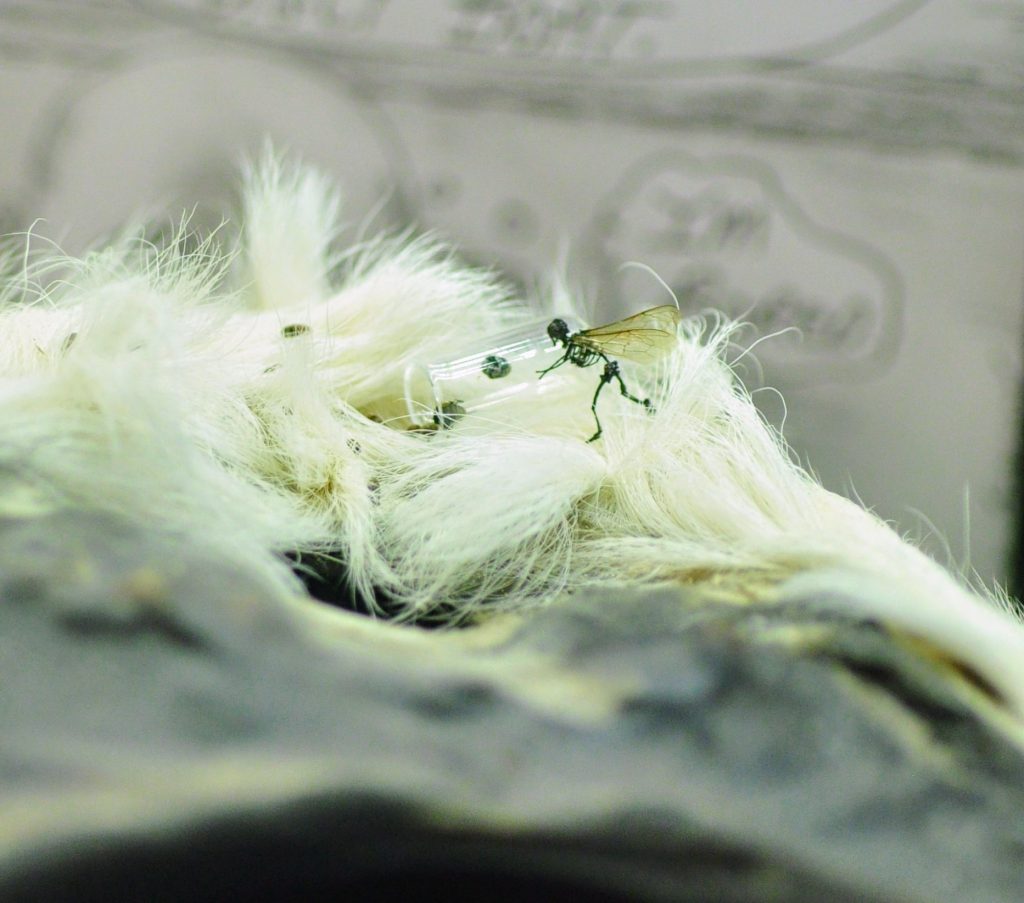
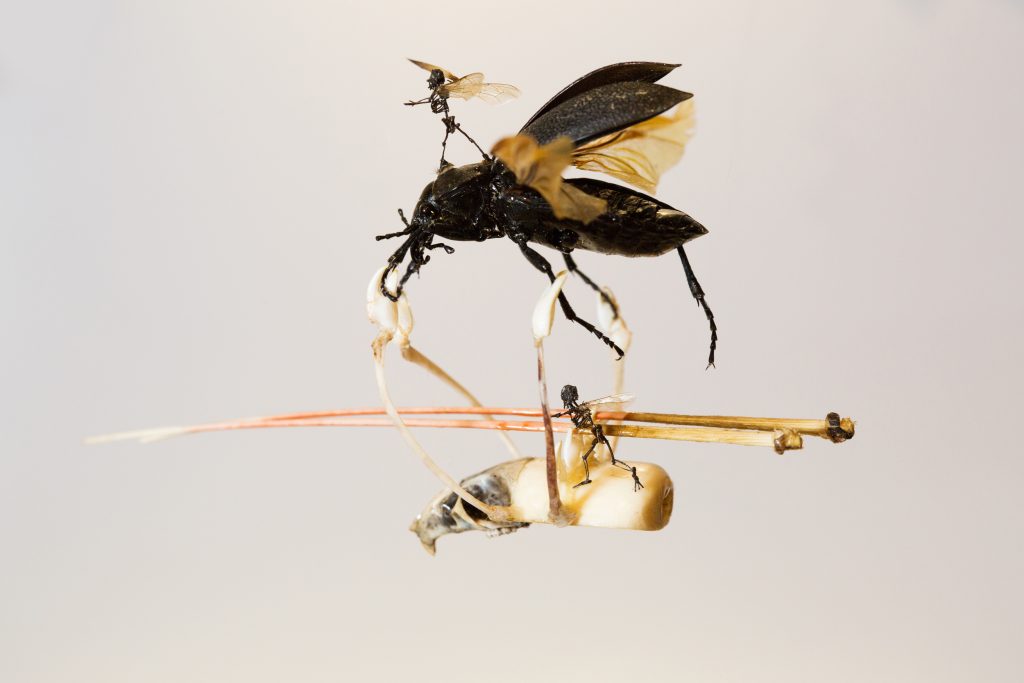
Guided tours of London’s Famous – nay InFamous – Viktor Wynd Museum of Curiosities, Fine Art & UnNatural History, first drink your Devil’s Botany Absinthe (included in ticket price) – then see Dodo’s Bones, Erotica from Around the World, Real Fairies, Mermaids, Creatures of The Deep. Occult Masterpieces by Austin Osman Spare, Surrealist Minorpieces by Leonora Carrington, Pailthorpe & Mednikoff, Old Master Etchings, Magick, The Gnostic Temple of Agape, Dead Dandies, Gian’t’s Bones, The Naughy Nun, Unicorns, Voodoo Fetishes from Benin, Masks from New Guinea and The Congo, Entomological Displays, The Cabinet of Monsters with Two Headed Lam, Piglet and Kitten, 4 legged Chicken, Eight Legged Lamb, Two Headed Snake, Skeletons, Taxiermy, Dead People, Spirit Drawings, Old Dolls, Human Hair Art, a Magic Teacup, Magick Soap, Skulls Taxidermy and more – all underground in a tiny, claustrophobic basement that looks like the inside of Viktor Wynd’s Mind
Tours with Vadim Kosmos – Emeritus Director of the Museum on the dates below, tickets £10 including a glass of Absinthe
2025
-
- Jul: Wed 9th – 18.00
- Jul: Sun 27th – 12.00
- Aug: Wed 6th – 18.00
- Aug: Sun 31st – 12.00
- Sep: Wed 3rd – 18.00
- Sep: Sun 28th – 12.00
- Oct: Wed 8th – 18.00
- Oct: Sun 26th – 12.00
- Nov: Wed 19th – 18.00
- Nov: Sun 30th – 12.00
- Dec: Wed 3rd – 18.00