Bedtime Stories: Mexican Folk Tales – a Matter of Life and Death – Mike Payton

Bedtime Stories: Mexican Folk Tales – a Matter of Life and Death.

In Mexican culture, death is not taboo, hidden away behind closed doors and polite euphemisms. La Catrina, the elegant skeletal Lady of Dead, finds a place in almost all Mexican houses, a reminder that death is always present in life – and on el dia de los muertos, the dead come back to commune with the living once more.

Unsurprisingly, the folk tales of Mexico often reflect this embrace of the other world, and storyteller Mike Payton brings some of his favourites out into the light in this odd, thought provoking collection: a chance meeting with Death on a mountain; a man who refuses to leave offerings for his dead parents and the consequences of this slight; and perhaps, if we can face it, a meeting with La Llorona, the crying ghost of the Mexican night.

Bio

Mike Payton is a Midlands based storyteller whose first love are the tales of Mexico. He lived and worked there for some years, sharing songs and stories with his friends and neighbours. He has performed for The British Museum and The Welcome Trust as part of their Day of the Dead celebrations. www.mikepayton.org

Curated and Hosted by

Dr. Amy Hale is an Atlanta based writer, curator and critic, ethnographer and folklorist speaking and writing about esoteric history, art, culture, women and Cornwall. She is the author of Ithell Colquhoun: Genius of the Fern Loved Gully (Strange Attractor 2020) and is currently working on several Colquhoun related manuscripts. She is also the editor of Essays on Women in Western Esotericism: Beyond Seeresses and Sea Priestesses (Palgrave 2022). She has contributed gallery texts and essays for a number of institutions including Tate, Camden Arts Centre, Art UK, Arusha Galleries, Heavenly Records and she is a curator and host for the Last Tuesday Society lecture series.

don’t worry if you miss it – we will send you a recording valid for two weeks the next day

A Short Course in Old Norse Cursing – Prof Bernt Thorvaldsen

A Short Course in Old Norse Cursing

Old Norse sagas and poetry offer a rich insight into various magical practices. These range from helpful runes and charms to darker spells meant to harm or control others. This lecture delves into the more shadowy side of Norse magic. A recurring theme in many tales is the blend of insulting words with magic, invoking a surprising variety of supernatural forces against the victim. Attendees will meet a sorceress fond of young men, an Icelandic poet in need of anger management, a menacing ghost, a grieving lady full of danger, and a messenger from an ancient deity, as well as their unfortunate victims. Through these tales, we’ll gain a better understanding of how the Old Norse saw the balance between individuals and society at a cosmological scale, and their strong belief in the power of spoken words.

Bio:

Bernt Ø. Thorvaldsen (b. 1976) is a professor of Norwegian at the University of South-Eastern Norway, where he teaches language and literature. Thorvaldsen is an expert on Old Norse culture, with Old Norse mythology and Edda poetry as his speciality.

Curated and Hosted By:

Lena Schattenherz Heide-Brennand is a Norwegian lecturer with a master degree in language, culture and literature from the University of Oslo and Linnaeus University. She has been lecturing and teaching various subjects since 1998. Her field of interest and main focus has always been topics that others have considered strange, eccentric and eerie, and she has specialised in a variety of dark subjects linked to folklore, mythology and Victorian traditions and medicine. Her students often point out her thorough knowledge about the subjects she is teaching, in addition to her charismatic appearance. She refers to herself as a performance lecturer and always gives her audience an outstanding experience

don’t worry if you miss it – we will send you a recording valid for two weeks the next day

Chilling ghost stories of the Scandinavian countries- Christmas edition – Lena Heide-Brennand

Chilling ghost stories of the Scandinavian countries – Christmas Edition

Ladies and gentlemen, gather ’round as the icy winds howl outside and the snowflakes dance upon the windows. Tonight, we delve into the mysterious depths of the Scandinavian folklore, where whispers of chilling ghost stories intertwine with the enchantment of the Christmas season. Brace yourselves for a journey beyond the realm of the living, where tales of restless spirits and ethereal apparitions lurk in the shadows, waiting to send shivers down your spine.

In the land of fjords and forests, where winter grips tightly onto the land, the Scandinavians have long embraced the tradition of sharing spine-tingling tales during the holidays. As the warmth of hearths and the glow of candlelight fill their homes, families huddle together, their breath visible in the frosty air, ready to experience the eerie wonders that lie hidden within the folklore.

Imagine, if you will, a yuletide evening in a remote Norwegian village. The air is heavy with the scent of pine and the sweet aroma of freshly baked gingerbread. The villagers gather in the ancient church, its timeworn walls whispering secrets of centuries past. As the clock strikes midnight, the silence is shattered by the haunting melody of a hymn, sung by voices unseen.

Or perhaps we find ourselves in a snow-covered Swedish manor, where generations of family have celebrated Christmas for centuries. In the flickering candlelight, shadows dance upon the walls, seemingly taking on a life of their own. Legends speak of a ghostly figure, clad in white, roaming the halls, its mournful cries echoing through the ages.

And let us not forget the ethereal spirits of Denmark, where ancient castles and cobblestoned streets hold secrets that time refuses to relinquish. On a moonlit night, when the boundary between the living and the dead grows thin, the restless souls of fallen warriors rise from their graves, seeking solace or revenge.

Tonight, my dear audience, we embark on a journey into the realms of the supernatural. We will explore the darkest corners of Scandinavian folklore, where tales of ghosts, apparitions, and spectral encounters intertwine with the joy and merriment of the holiday season. So gather your courage, for in this Christmas edition of chilling ghost stories, we shall venture into the unknown. But beware, for once these tales are unleashed, they may haunt your dreams long after the final embers of the Yule log have faded away.

Bio:

Lena Schattenherz Heide-Brennand is a Norwegian lecturer with a master degree in language, culture and literature from the University of Oslo and Linnaeus University. She has been lecturing and teaching various subjects since 1998. Her field of interest and main focus has always been topics that others have considered strange, eccentric and eerie, and she has specialised in a variety of dark subjects linked to folklore, mythology and Victorian traditions and medicine. Her students often point out her thorough knowledge about the subjects she is teaching, in addition to her charismatic appearance. She refers to herself as a performance lecturer and always gives her audience an outstanding experience

don’t worry if you miss it – we will send you a recording valid for two weeks the next day

The Problem of Folk Horror – Jeff Tolbert

The Problem of Folk Horror – Jeff Tolbert

The resurgence of folk horror in literature and film raises important questions about the genre’s “folkness.” Who are the “folk” who are (evidently) the source of the horror? And what is folklore and why does it matter, in horror or otherwise?

When we use the word folklore in ordinary speech, it often conveys a sense of rustic backwardness. In horror specifically, these words often evoke a sense of dangerous, insular conservatism, cultish behaviors, and even Lovecraftian degeneracy. For scholars of folklore, the words folklore and folk have rather different meanings.

This talk will highlight some of the specific problems of folk horror, while also distinguishing between folk horror as a genre and the use of folklore elements in horror more generally. My main argument will be that, while horror (and all creative media) can and should make use of all the cultural materials available to it, both creators and audiences should be aware of the rhetorical consequences of calling some people, in some times and places—but not others—“folk.”

Bio

Jeffrey A. Tolbert holds a PhD in folklore from Indiana University. He is assistant professor of American Studies and Folklore at Penn State Harrisburg. His work explores the supernatural and vernacular belief through conventional and digital ethnography, and the relationship between “popular” and “folk” cultures in various media, from horror fiction in literature and film to the Internet monster known as Slender Man. He is co-editor, with Michael Dylan Foster, of The Folkloresque: Reframing Folklore in a Popular Culture World (2016) and Möbius Medie: Popular Culture, Folklore, and the Folkloresque (forthcoming), both from Utah State University Press.

Curated and Hosted by

Dr. Amy Hale is an Atlanta based writer, curator and critic, ethnographer and folklorist speaking and writing about esoteric history, art, culture, women and Cornwall. She is the author of Ithell Colquhoun: Genius of the Fern Loved Gully (Strange Attractor 2020) and is currently working on several Colquhoun related manuscripts. She is also the editor of Essays on Women in Western Esotericism: Beyond Seeresses and Sea Priestesses (Palgrave 2022). She has contributed gallery texts and essays for a number of institutions including Tate, Camden Arts Centre, Art UK, Arusha Galleries, Heavenly Records and she is a curator and host for the Last Tuesday Society lecture series.

don’t worry if you miss it – we will send you a recording valid for two weeks the next day

Fashion in Folk Horror – Sacrificial Maidens and Ritual Robes – Prof Catherine Spooner

Fashion in Folk Horror – Sacrificial Maidens and Ritual Robes

One of the most striking features of Ari Aster’s 2019 folk horror film Midsommar is its costumes: the embroidered white robes worn by its secluded community, the Harga.

The white dress has a long history within folk horror. White dresses feature prominently in classic folk horror films The Blood on Satan’s Claw (Piers Haggard, 1971) and The Wicker Man (Robin Hardy, 1973) and are one of the most striking features of Australian folk horror Picnic at Hanging Rock (Peter Weir, 1975). This visual motif is closely associated with traditional May Day festivities, as well as with the imagery of high ritual magic. However, it also comes from a more commercial source: in the early1970s, peasant smocks and faux-Edwardian white dresses were the height of fashion.This fashion traded on images of idealised pastoral femininity and rural nostalgia that folk horror characteristically disrupts.

Drawing on images from 1970s fashion magazines, this talk traces the uneasy relationship between fashion and folk horror. It shows how the costumes of folk horror films enabled the critique of idealised pastoral femininity and rural nostalgia even as they provided a language and imagery that informed fashion editorial and advertising of the time. Finally, the talk draws parallels between the fashions of the 1970s and the way that the ‘cottagecore’ trend accompanies a new wave of folk horror films in the twenty-first century.

Bio:

Catherine Spooner is Professor of Literature and Culture at Lancaster University. She has published widely on Gothic in Victorian and contemporary literature, film and popular culture, with a particular emphasis on fashion. Her seven books include Fashioning Gothic Bodies, Contemporary Gothic and Post-millennial Gothic: Comedy, Romance and the Rise of Happy Gothic, which was awarded the 2019 Allan Lloyd Smith Memorial Prize. Her most recent book, The Cambridge History of the Gothic Volume 3:

The Twentieth and Twenty-first Centuries, co-edited with Dale Townshend, was published in September 2021. She is currently writing a book on the cultural history of the white dress, to be published by Bloomsbury in 2024, and a folk horror novel set in Lancashire.

Curated and Hosted by

Dr. Amy Hale is an Atlanta based writer, curator and critic, ethnographer and folklorist speaking and writing about esoteric history, art, culture, women and Cornwall. She is the author of Ithell Colquhoun: Genius of the Fern Loved Gully (Strange Attractor 2020) and is currently working on several Colquhoun related manuscripts. She is also the editor of Essays on Women in Western Esotericism: Beyond Seeresses and Sea Priestesses (Palgrave 2022). She has contributed gallery texts and essays for a number of institutions including Tate, Camden Arts Centre, Art UK, Arusha Galleries, Heavenly Records and she is a curator and host for the Last Tuesday Society lecture series.

don’t worry if you miss it – we will send you a recording valid for two weeks the next day

Painting British Folk Customs – Ben Edge

Painting British Folk Customs – Ben Edge

Join Ben Edge for this Zoom talk as he takes you into the heart of British Folklore and shares his own journey as an artist and gives insights into his creative practice and process. The talk will include Ben’s footage from the folk traditions themselves, such as the Burryman, the Straw Bear and the Obby Oss of Padstow that have become the Muse and inspiration for his meticulous paintings depicting the ritual landscape of Britain today. There will also be a Q&A at the end so you will have the chance to ask Ben questions directly.

The talk accompanies Ben Edge’s exhibition at London’s Viktor Wynd Museum of Curiosities, Fine Art & UnNatural History

For nearly a decade Ben Edge has been documenting the seasonal folk Customs of Britain, travelling by bus, train and foot to the far corners of these Isles, to capture our often overlooked, unknown and unsung but thriving Folk culture of contemporary Britain. After a colourful childhood where eccentric family members would tell him remarkable stories about their lives and experiences, Ben developed a passion for storytelling and was particularly inspired by stories of the Green man, tales of Old London, and family legends that he refers to as ‘Family Lore’. However it wasn’t until what Edge describes as a ‘Druidic epiphany’ in which he accidentally stumbled on a Spring Equinox ceremony being performed by the Druid Order on Tower Hill, That Bens eyes were opened to the rich tapestry of seasonal folk Customs taking all across the British isles today, that lead to a life changing journey in which nearly ten years on has led to Ben becoming one of the leading voices, artists and documenters working around the subject of British Folklore today. Through paint, Film, Photography, sculpture and song Ben has assembled an incredible obsessive archive of work, with each medium functioning a different way to capture various elements that make up Britains thriving folk culture today. This will also be the first exhibition in which some of Bens up until now unseen photographs will be exhibited alongside his paintings and objects he has collected along his travels.

Bio

Ben Edge was born in Croydon in 1985 and currently lives and works in North, London. For the majority of his childhood he lived in a small town called Southborough in Kent. After the divorce of his parents at the age of six, his time was shared between his mother’s house in Kent, and his fathers in Shoreditch, East London. As a teenager Edge became interested in punk rock, folk music and art. These interests led him to take up painting and to study Fine Art at West Kent College and later at London Metropolitan University. It was also in his teenage years that he began writing and performing music. He has since been in numerous bands and toured Europe extensively. Past projects include The Ideots, Thee Spivs, Ben Edge and The Electric Pencils and most recently a solo acoustic project.

Edge is predominately a figurative artist interested in folklore and story telling, whose paintings and film work depict the extraordinary lives of ordinary people. He believes his interests originate from his childhood, where he grew up around colourful and eccentric family members who would tell him remarkable stories. In 2009 his painting ‘The Animal Handler’ was selected for exhibition at the National Portrait Gallery as part of the BP Portrait Award. Edge’s grandfather, who was the subject of the painting, was a porter at Smithfield meat market as well as an animal handler in his spare time. Over the years his flat was home to a wide array of exotic pets including, chimpanzees, monkeys, lizards, pythons and and even once a tiger cub that had been lent to him by a friend who worked at the circus. Edge cites his grandfather, as well as his family in general, as a major influence on his work. Not only are they inspiring characters, but creative people who have a wide array of interests, such as painting, drawing and wood-carving.

Edge is a self-proclaimed perfectionist and his perfectionism and personality is mirrored within his clean and precise style of painting and his fascination for the detail and craft that is often found in Folk and Naive Art as well as the traditions of religious and northern Renaissance painting. These combined influences inspired the title of his debut solo show ‘Folk Renaissance’ that took place at the HIX Art gallery, London, in March 2017.

Since then, inspired by a serendipitous experience in which Ben stumbled across a Druid ceremony taking place on Tower Hill in central London, he has been researching the folklore and seasonal customs of the British Isles and was amazed to discover that there were such events taking place all over the Uk. Although he was not entirely conscience of it at the time, a new obsession had been born and he began travelling up and down the British Isles, extensively gathering source material and responding to his research through a new series of twenty paintings and a full length documentary film. This body of work titled ‘Frontline Folklore’ was exhibited alongside a carefully curated selection of objects from the influential set designer, Simon Costin’s remarkable ‘Museum of British Folklore’ collection at the Crypt gallery of the St Pancras new church throughout June 2021, in an exhibition titled ‘Ritual Britain’ that attracted over 10,000 visitors with extensive media coverage and viral exposure across social media.

Edge has also created artwork and art directed music videos for musical acts such as the Fat White Family and Raf Rundell and released his own debut solo album titled ‘New Tradition’ that is now available on Vinyl on Glass modern Records.

Ben is currently working on his latest series of works ‘Children of Albion’ that is due for exhibition in 2025.

don’t worry if you miss it – we will send you a recording valid for two weeks the next day
Fate, Faith And Fortune – Fiona Eadie

Fate, Faith And Fortune

Join storyteller Fiona Eadie on a journey along the sometimes comic, sometimes dangerous, path between choice and chance.

Bio:

Fiona Eadie is passionate about language and about bringing the spoken word to life. She works with stories that have come down to us through the oral tradition and tells tales that entertain, illuminate, engage and inspire – to all ages in a variety of settings.

don’t worry if you miss it – we will send you a recording valid for two weeks the next day

Alchemy and Hermeticism in the work of Leonora Carrington – Prof Evans Lansing Smith

Alchemy and Hermeticism in the work of Leonora Carrington

Leonora Carrington’s traumatic breakdown and incarceration in the Spanish asylum at Santander, in the early 1940s yielded an extraordinary psychological engagement with alchemical images and themes in her memoir Down Below, which is richly informed by the Surrealist obsession with hermeticism. This engagement became foundational in her other works (The Hearing Trumpet and The Stone Door) in her paintings (such as “The Garden of Paracelsus” and “The Burning of Giordano Bruno”).

don’t worry if you miss it – we will send you a recording valid for two weeks the next day

Alchemy in Art and Culture – 12 Part Lecture Series

This is the final lecture in the series. Perhaps the oldest and most enduring of all myths is the Nekyia: the descent to and return from the underworld. There are innumerable iterations of the myth from nearly all cultures, manifesting in literature, art, music, psychology, philosophy, film, and graphic media. The myth catalyzes the revelation of the archetypal iconography of the imagination leading to a radical transformation of consciousness. This series focuses alchemical narratives in foundational works of the hermetic tradition.

Bio

Professor Evans Lancing Smith edited the first collection of Joseph Campbell s writings and lectures on the Arthurian romances of the Middle Ages, a central focus of his celebrated scholarship. Throughout his life, Joseph Campbell was deeply engaged in the study of the Grail Quests and Arthurian legends of the European Middle Ages. In this new volume of the Collected Works of Joseph Campbell, editor Evans Lansing Smith collects Campbell s writings and lectures on Arthurian legends, including his never-before-published master s thesis on Arthurian myth, A Study of the Dolorous Stroke. Campbell s writing captures the incredible stories of such figures as Merlin, Gawain, and Guinevere as well as the larger patterns and meanings revealed in these myths. Merlin s death and Arthur receiving Excalibur from the Lady of the Lake, for example, are not just vibrant stories but also central to the mythologist s thinking. The Arthurian myths opened the world of comparative mythology to Campbell, turning his attention to the Near and Far Eastern roots of myth. Calling the Arthurian romances the world s first secular mythology, Campbell found metaphors in them for human stages of growth, development, and psychology. The myths exemplify the kind of love Campbell called amor, in which individuals become more fully themselves through connection. Campbell s infectious delight in his discoveries makes this volume essential for anyone intrigued by the stories we tell and the stories behind them.

Evans has degrees from Williams College, Antioch International, and The Claremont Graduate School. He is the author of ten books and numerous articles on comparative literature and mythology, and has taught at colleges in Switzerland, Maryland, Texas, and California, and at the C.G. Jung Institute in Kusnacht. In the late 1970s, he traveled with Joseph Campbell on study tours of Northern France, Egypt, and Kenya, with a focus on the Arthurian Romances of the Middle Ages and the Mythologies of the Ancient World. His books include:

  • The Descent to the Underworld in Literature, Painting, and Film: 1850-1950: The Modernist Nekyia
  • Figuring Poesis: A Mythical Geometry of Postmodernism
  • Haiku for Aphrodite
  • The Hero Journey in Literature
  • The Myth of the Descent to the Underworld in Postmodern Literature
  • Postmodern Magus: Myth and Poetics in the Works of James Merrill
  • Rape and Revelation
  • Ricorso and Revelation: An Archetypal Poetics of Modernism
  • Sacred Mysteries: Myths About Couples in Quest
  • Thomas Pynchon and the Postmodern Mythology of the Underworld

His areas of emphasis include: Myth in Literature from Antiquity to Postmodernism; Arthurian Romances, and The Hermetic Tradition. He currently teaches: Myth and the Underworld; Alchemy and Hermeticism; Arthurian Romances and the Grail; Folklore and Fairytales; Theoretical Approaches to Mythological Studies; Cultural Mythologies; and Native Mythologies of the Americas.

Alchemy in the works of C.G. Jung and Hilda Doolittle (H.D.) – Prof Evans Lansing Smith

Alchemy in the works of  C.G. Jung and Hilda Doolittle (H.D.)

Jung’s engagement with alchemy began in the late 1920s and dominated his late work, yielding such tomes as Mysterium Coniunctionis and Alchemical Studies from the Collected Works. At the same time that he was carving the famous Bollingen Stone, the great American Modernist poet H.D. was deeply immersed in the ‘occult’ themes that inform the poems she wrote during and after the Second World War: Trilogy and Hermetic Definition.

don’t worry if you miss it – we will send you a recording valid for two weeks the next day
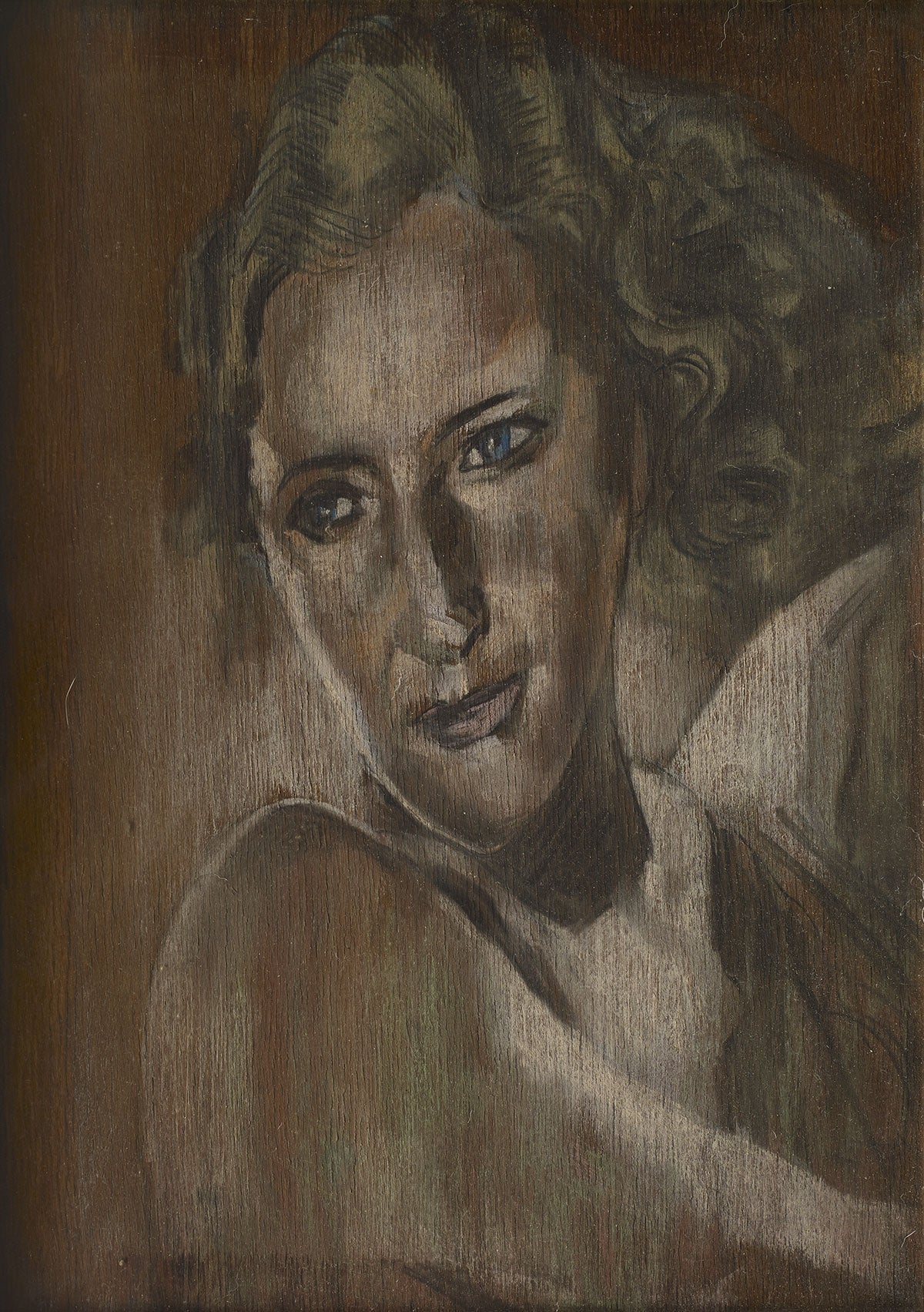
Alchemy in Art and Culture – 12 Part Lecture Series

This is the eleventh lecture in the series. Perhaps the oldest and most enduring of all myths is the Nekyia: the descent to and return from the underworld. There are innumerable iterations of the myth from nearly all cultures, manifesting in literature, art, music, psychology, philosophy, film, and graphic media. The myth catalyzes the revelation of the archetypal iconography of the imagination leading to a radical transformation of consciousness. This series focuses alchemical narratives in foundational works of the hermetic tradition.

Bio

Professor Evans Lancing Smith edited the first collection of Joseph Campbell s writings and lectures on the Arthurian romances of the Middle Ages, a central focus of his celebrated scholarship. Throughout his life, Joseph Campbell was deeply engaged in the study of the Grail Quests and Arthurian legends of the European Middle Ages. In this new volume of the Collected Works of Joseph Campbell, editor Evans Lansing Smith collects Campbell s writings and lectures on Arthurian legends, including his never-before-published master s thesis on Arthurian myth, A Study of the Dolorous Stroke. Campbell s writing captures the incredible stories of such figures as Merlin, Gawain, and Guinevere as well as the larger patterns and meanings revealed in these myths. Merlin s death and Arthur receiving Excalibur from the Lady of the Lake, for example, are not just vibrant stories but also central to the mythologist s thinking. The Arthurian myths opened the world of comparative mythology to Campbell, turning his attention to the Near and Far Eastern roots of myth. Calling the Arthurian romances the world s first secular mythology, Campbell found metaphors in them for human stages of growth, development, and psychology. The myths exemplify the kind of love Campbell called amor, in which individuals become more fully themselves through connection. Campbell s infectious delight in his discoveries makes this volume essential for anyone intrigued by the stories we tell and the stories behind them.

Evans has degrees from Williams College, Antioch International, and The Claremont Graduate School. He is the author of ten books and numerous articles on comparative literature and mythology, and has taught at colleges in Switzerland, Maryland, Texas, and California, and at the C.G. Jung Institute in Kusnacht. In the late 1970s, he traveled with Joseph Campbell on study tours of Northern France, Egypt, and Kenya, with a focus on the Arthurian Romances of the Middle Ages and the Mythologies of the Ancient World. His books include:

  • The Descent to the Underworld in Literature, Painting, and Film: 1850-1950: The Modernist Nekyia
  • Figuring Poesis: A Mythical Geometry of Postmodernism
  • Haiku for Aphrodite
  • The Hero Journey in Literature
  • The Myth of the Descent to the Underworld in Postmodern Literature
  • Postmodern Magus: Myth and Poetics in the Works of James Merrill
  • Rape and Revelation
  • Ricorso and Revelation: An Archetypal Poetics of Modernism
  • Sacred Mysteries: Myths About Couples in Quest
  • Thomas Pynchon and the Postmodern Mythology of the Underworld

His areas of emphasis include: Myth in Literature from Antiquity to Postmodernism; Arthurian Romances, and The Hermetic Tradition. He currently teaches: Myth and the Underworld; Alchemy and Hermeticism; Arthurian Romances and the Grail; Folklore and Fairytales; Theoretical Approaches to Mythological Studies; Cultural Mythologies; and Native Mythologies of the Americas.

Alchemy and Hermeticism in the works of Piet Mondrian, Wassily Kandinsky, and Hilma af Klint – Prof Evans Lansing Smith

Alchemy and Hermeticism in the works of Piet Mondrian, Wassily Kandinsky, and Hilma af Klint

The reduction to the fundamental elements of aesthetic composition—geometrical figures like the rectangle, square, circle—is central to the dramatic emergence of abstraction in Modernist painting, and was undertaken by artists acutely aware of the theosophical hermeticism of the period.

don’t worry if you miss it – we will send you a recording valid for two weeks the next day
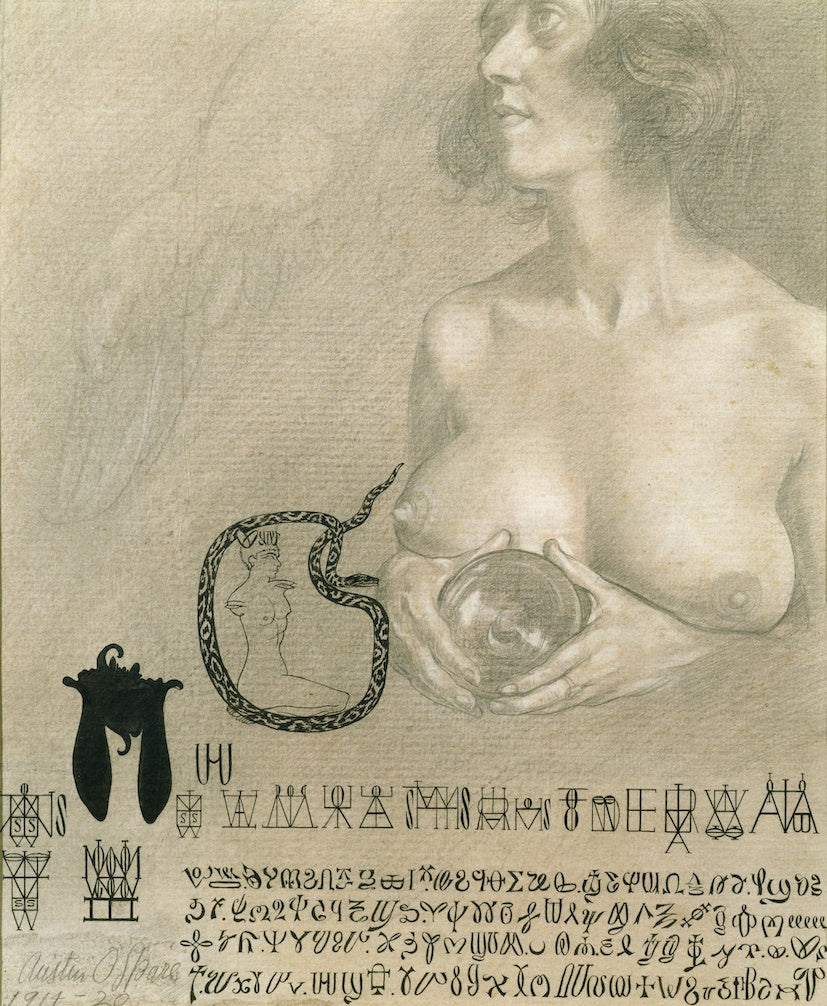
Alchemy in Art and Culture – 12 Part Lecture Series

Perhaps the oldest and most enduring of all myths is the Nekyia: the descent to and return from the underworld. There are innumerable iterations of the myth from nearly all cultures, manifesting in literature, art, music, psychology, philosophy, film, and graphic media. The myth catalyzes the revelation of the archetypal iconography of the imagination leading to a radical transformation of consciousness. This series focuses alchemical narratives in foundational works of the hermetic tradition.

Bio

Professor Evans Lancing Smith edited the first collection of Joseph Campbell s writings and lectures on the Arthurian romances of the Middle Ages, a central focus of his celebrated scholarship. Throughout his life, Joseph Campbell was deeply engaged in the study of the Grail Quests and Arthurian legends of the European Middle Ages. In this new volume of the Collected Works of Joseph Campbell, editor Evans Lansing Smith collects Campbell s writings and lectures on Arthurian legends, including his never-before-published master s thesis on Arthurian myth, A Study of the Dolorous Stroke. Campbell s writing captures the incredible stories of such figures as Merlin, Gawain, and Guinevere as well as the larger patterns and meanings revealed in these myths. Merlin s death and Arthur receiving Excalibur from the Lady of the Lake, for example, are not just vibrant stories but also central to the mythologist s thinking. The Arthurian myths opened the world of comparative mythology to Campbell, turning his attention to the Near and Far Eastern roots of myth. Calling the Arthurian romances the world s first secular mythology, Campbell found metaphors in them for human stages of growth, development, and psychology. The myths exemplify the kind of love Campbell called amor, in which individuals become more fully themselves through connection. Campbell s infectious delight in his discoveries makes this volume essential for anyone intrigued by the stories we tell and the stories behind them.

Evans has degrees from Williams College, Antioch International, and The Claremont Graduate School. He is the author of ten books and numerous articles on comparative literature and mythology, and has taught at colleges in Switzerland, Maryland, Texas, and California, and at the C.G. Jung Institute in Kusnacht. In the late 1970s, he traveled with Joseph Campbell on study tours of Northern France, Egypt, and Kenya, with a focus on the Arthurian Romances of the Middle Ages and the Mythologies of the Ancient World. His books include:

  • The Descent to the Underworld in Literature, Painting, and Film: 1850-1950: The Modernist Nekyia
  • Figuring Poesis: A Mythical Geometry of Postmodernism
  • Haiku for Aphrodite
  • The Hero Journey in Literature
  • The Myth of the Descent to the Underworld in Postmodern Literature
  • Postmodern Magus: Myth and Poetics in the Works of James Merrill
  • Rape and Revelation
  • Ricorso and Revelation: An Archetypal Poetics of Modernism
  • Sacred Mysteries: Myths About Couples in Quest
  • Thomas Pynchon and the Postmodern Mythology of the Underworld

His areas of emphasis include: Myth in Literature from Antiquity to Postmodernism; Arthurian Romances, and The Hermetic Tradition. He currently teaches: Myth and the Underworld; Alchemy and Hermeticism; Arthurian Romances and the Grail; Folklore and Fairytales; Theoretical Approaches to Mythological Studies; Cultural Mythologies; and Native Mythologies of the Americas.